
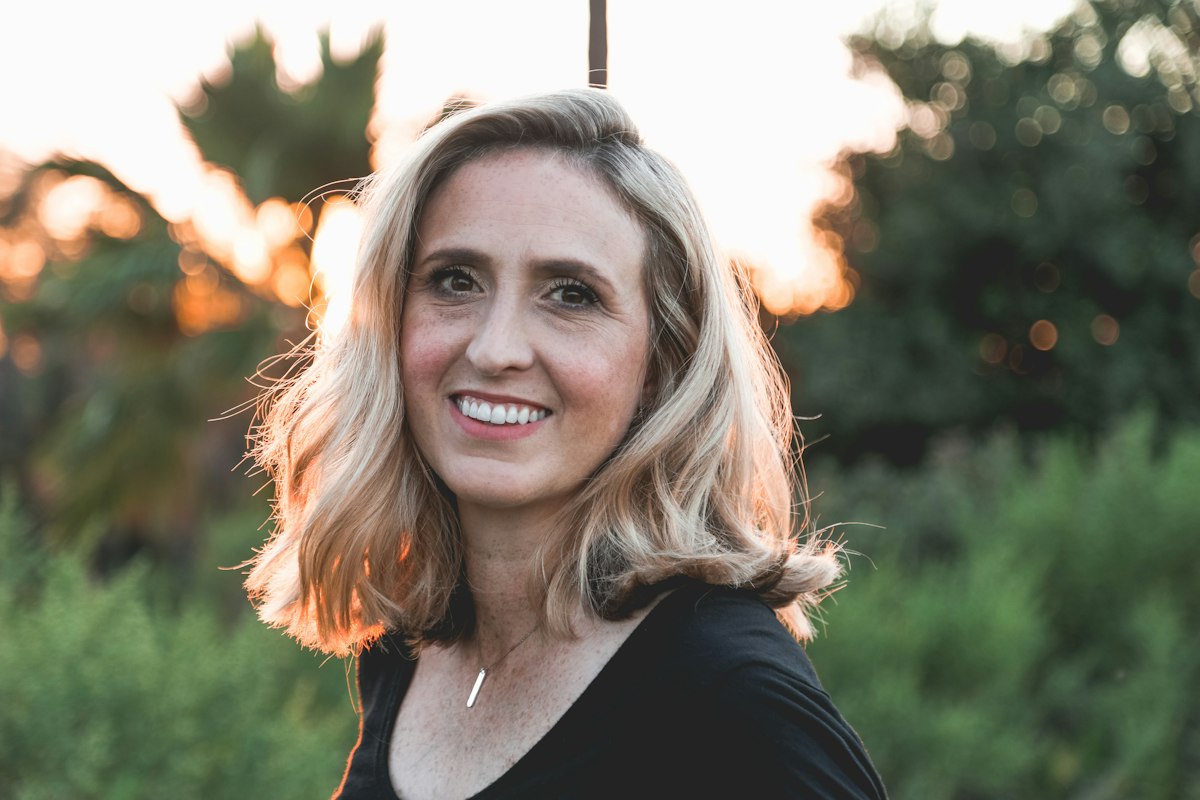
Balayage on Short Hair: Does It Work on Bobs and Pixies?
You love your short hair. You also keep seeing soft, sun-kissed balayage and wondering if it's only for people with long, beachy waves. Maybe someone even told you your hair is "too short for balayage."
Honestly? Probably not. Here's how balayage actually works on bobs, lobs, and pixies, what it costs, how often you'll be back in the chair, and how to tell if it's right for your cut.
Does balayage work on short hair?
Yes, balayage works beautifully on most short hair, including bobs, lobs, and longer pixie cuts. Because balayage is painted by hand rather than placed in rigid foil rows, a colorist can put brightness exactly where your cut moves and catches light. The main limit is length: very short crops under about two inches have less room for a gradient.
Here's the thing people miss. On long hair, balayage is mostly about a long, slow fade from root to ends. On short hair, it's about placement. There's less canvas, so every stroke matters more. Think of it as the difference between a mural and a small sketch: the sketch isn't less impressive, it just needs a steadier hand.
That's why short-hair balayage can look even more striking than long-hair balayage when it's done well. A few bright pieces around the face and through the top layers make a bob look fuller, add movement to a pixie, and give your cut shape even on a day you don't style it.
How long does your hair need to be for balayage?
Most colorists like at least three to four inches of length to create a true balayage gradient, meaning a soft, natural root that brightens toward the ends. Chin-length bobs and longer pixies usually have enough. On shorter crops, the same painting technique becomes soft, scattered ribbons of light rather than a long fade.
So "too short for balayage" really means "too short for the version you've seen on long hair." The technique still works. It just looks different, and that's okay. For a cropped cut, the goal is usually dimension and brightness at the surface, not a dramatic dark-to-light shift.
If you're growing your hair out, balayage is actually a smart time to start. Because the color begins softly away from the root, it grows out gracefully as your hair gets longer, and each appointment can extend the gradient a little further.
How do colorists place balayage on a bob vs. a pixie?
On a bob, colorists usually paint from the mid-lengths to the ends and add brighter face-framing pieces, keeping the root soft. On a pixie, they focus on the top layers, fringe, and pieces around the face, leaving the sides and nape deeper. In both cases, the color follows the shape of your cut.
A good colorist will often look at your hair dry and styled the way you actually wear it before painting a single strand. Where does your part fall? Do you tuck one side behind your ear? Is there a swoop in your fringe? Those details decide where the light should land.
A few placement techniques you might hear about:
- Face-framing (or a "money piece"): brighter strands right around your face. On short hair, this does a lot of the work, because it's what you and everyone else see first.
- Surface painting: lightener painted only on the outer layers, so the interior stays deeper. This creates dimension without making short hair look stripy.
- Foilayage: balayage-style painting wrapped in foil for extra lift. Helpful on dark hair, where open-air painting may not lift bright enough.
- Root smudge or gloss: a sheer shade blended at the root so the transition looks soft and seamless as it grows.
| Pixie / Crop | Bob | Lob | |
|---|---|---|---|
| Typical length | 1–4 inches | Chin to jaw | Collarbone to shoulder |
| Where color goes | Top layers, fringe, face-frame | Mid-lengths to ends, face-frame | Soft root to bright ends, full gradient |
| Best technique | Fine painted ribbons or a gloss | Balayage, often with face-framing | Classic balayage or foilayage |
| Typical refresh | Every 6–8 weeks (with cuts) | Every 8–12 weeks | Every 10–14 weeks |
| Chair time | About 1–2 hours | About 2–3 hours | About 2.5–3.5 hours |
How much does balayage on short hair cost in San Francisco?
In San Francisco, balayage on short hair is usually priced below long-hair balayage because it takes less product and less time. Many salons price by length and density, so a bob or pixie typically lands at the lower end of a salon's balayage range. A gloss or toner may be included or priced separately, so always ask.
The fairer way to think about cost is per year, not per visit. Short hair gets cut more often, often every 6 to 8 weeks for a pixie and every 8 to 10 weeks for a bob, and each trim removes some of your brightest ends. If you pair color with every other cut, you'll likely visit for color four to six times a year.
Ask for an itemized quote up front: lightening, toner, any bond-building treatment, and the haircut. That way you're comparing salons apples to apples and avoiding surprise add-ons at checkout.
How often does short-hair balayage need a touch-up?
Most people with short balayage refresh every 8 to 12 weeks, often timed with a haircut. Pixies tend to need attention closer to every 6 to 8 weeks because the cut changes shape faster. The regrowth itself stays soft, since balayage starts away from the root. The bigger factor is trims removing the lightened ends.
A gloss between lightening appointments is the easiest way to stretch your color. It refreshes the tone, adds shine, and takes the edge off any brassiness in about 30 to 45 minutes, without adding more lightener to your hair.
At home, keep it simple. Wash with lukewarm water, use a color-safe shampoo, and use heat protection before you flat iron or blow-dry, which short hair often gets a lot of. If you're blonde and notice yellow tones creeping in, a purple shampoo once a week is usually all you need.
Is balayage on short hair right for you?
Short-hair balayage is a great fit if you want soft, natural brightness that grows out gently, you like a little dimension in your cut, or you're growing your hair longer. If you want very bright, even blonde right at the root, or your hair is under two inches, babylights or an all-over gloss may suit you better.
A few quick gut checks:
- You have a bob or lob: you're in the sweet spot. There's plenty of room for a soft gradient and bright face-framing.
- You have a longer pixie: balayage on the top layers and fringe adds texture and movement without a lot of upkeep.
- You have dark hair: ask about foilayage or warmer caramel and honey tones, which look natural on deep brunette and don't fight your underlying warmth.
- You're blending some gray: fine painted pieces can soften the contrast at your part. Very short hair with lots of gray may blend better with fine highlights near the root.
- You want low maintenance: keep the brightest pieces away from the root and lean on glosses between visits.
How to find the right colorist for short-hair balayage
Look for a colorist who specializes in balayage and who also understands haircutting, because on short hair, color and cut work as one. Ask to see examples on bobs and pixies specifically, ask where they'd place the brightness for your cut, and ask how they'd time color with trims.
A few red flags: a colorist who paints short hair exactly the way they'd paint long hair, who doesn't ask how you style it, or who suggests a dramatic lift in one session on dark or previously colored hair. With short hair, restraint is everything. Less intervention, more intention.
At Taylor Monroe, balayage is one of our core specialties, alongside blonding, gray blending, dark-hair color, highlights, and extensions. We've been coloring hair for 17 years, the last 7 in San Francisco, and a lot of our favorite balayage work happens on bobs and pixies, where thoughtful placement really shows. We look at how your cut moves before we paint, so the color works with your shape instead of against it.
You'll find us at our Lower Haight studio at 146 Fillmore Street and our Castro studio at 228 Sanchez Street. Every new color client can start with a free 15-minute consultation, where we'll look at your hair in natural light and talk through how you wear it day to day. Our pricing is gratuity-free, so the quote you get is the price you pay.
Frequently Asked Questions
Can you get balayage on short hair?
Yes. Balayage works on most short cuts, including bobs, lobs, and longer pixies. Because it is hand-painted, a colorist can place brightness exactly where your cut moves and catches light. Very short crops under about two inches leave little room for a gradient, so they usually suit fine highlights or a gloss instead.
How long does hair need to be for balayage?
Most colorists like at least three to four inches of length to create a real gradient from a soft root to brighter ends. Chin-length bobs and longer pixies usually have enough. On shorter hair, the painting becomes more like soft, scattered highlights, which can still look beautiful and natural.
Is balayage on short hair cheaper?
Usually, yes. Short hair takes less product and less chair time, so short-hair balayage is often priced lower than balayage on long hair. Many salons price by length and density. The trade-off is that you may visit a little more often, because haircuts remove the lightened ends faster.
How often do you need to touch up balayage on short hair?
Most people with short balayage refresh every 8 to 12 weeks, often timed with a haircut. Regrowth stays soft because balayage starts away from the root, but trims cut off brightened ends sooner. A gloss between lightening visits keeps the tone fresh without adding more lightener to your hair.
Does balayage work on a pixie cut?
It can, especially on a longer pixie with some length on top. Colorists usually paint the top layers, fringe, and face-framing pieces, leaving the sides and nape darker for contrast. On very short pixies, fine painted ribbons or a tonal gloss usually look more natural than a full balayage gradient.
Should I get my haircut before or after balayage?
Ideally, get your cut first or on the same day, before the color is placed. Your colorist then paints for the shape you actually have, so brightness lands where the cut moves. Cutting after balayage can remove the lightest ends and change the balance of the color.
The Bottom Line
Short hair isn't a barrier to balayage. It's an invitation to be more precise. On a bob, a lob, or a longer pixie, a few well-placed strokes of brightness can add movement, make your cut look fuller, and grow out softly enough that you're never stuck with a harsh line. The trick is a colorist who paints for your shape, not for a photo of someone else's long hair.
If you're curious whether your cut is ready for balayage, come see us. Book a free consultation at our Lower Haight or Castro studio, bring a photo or two, and we'll help you find soft, natural color that looks like you, just a little brighter.