
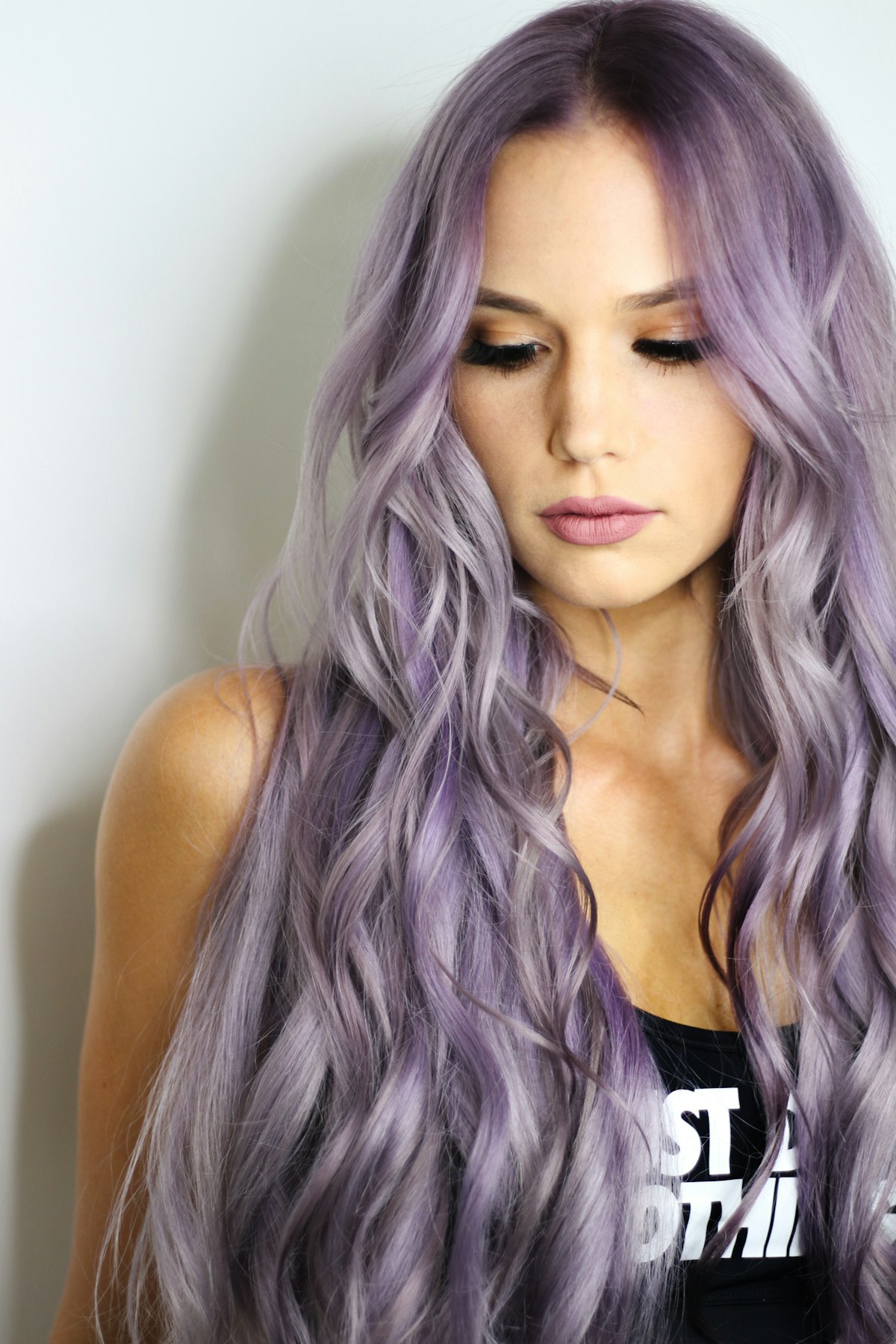
Can You Get Balayage on Gray Hair?
You've got more silver coming in than you expected, and the every-four-weeks root touch-up is starting to feel like a part-time job. You love the soft, lived-in look of balayage, but you're not sure it even works once gray is in the picture. Good news: it does, and for a lot of people it's the most relaxed way to live with gray.
Can you get balayage on gray hair?
Yes. Balayage is one of the best ways to handle gray hair because it blends gray instead of fighting it. Your colorist hand-paints lighter pieces around your natural silver, so the gray reads as brightness rather than a stark root. It works best when you're roughly 25 to 70 percent gray and want softer grow-out.
Here's the thing most people don't realize: the reason gray roots look so obvious is contrast. When your hair is one solid, dark shade, every white strand that grows in stands out like a chalk line. Balayage turns down that contrast. Instead of a dark canvas with gray poking through, you get a mix of tones where gray is just one more shade in the blend.
That's also why it changes your whole maintenance rhythm. With single-process coverage, regrowth shows in two to three weeks. With a well-placed gray-blending balayage, most people go three to six months between full appointments. Honestly, that's the part clients tell us they love most.
How does balayage blend gray hair?
Balayage blends gray by surrounding it with similar brightness. Your colorist paints lightener or a lifting color onto strands near your gray, often concentrated around the face and part where gray shows first, so the transition from pigmented hair to silver feels gradual. A gloss then ties every tone together into one soft, cohesive color.
Think of it like adjusting the lighting in a room instead of repainting the walls. Nothing gets hidden; it just stops standing out. A skilled colorist is reading your gray pattern the whole time: where it's concentrated, how fast it grows, and whether it's bright white or more of a salt-and-pepper mix. Placement follows that map, not a generic template.
A few technical moves you'll often see in a gray-blending balayage:
- Face-framing brightness. Gray usually shows first at the hairline and temples, so lighter pieces there do the most camouflage work.
- Lowlights where needed. If you're very gray, a colorist may weave darker pieces back in. Lowlights are a touch darker than your base, so they rebuild depth and stop the overall look from going flat.
- A demi-permanent gloss or "root smudge." This is a sheer, low-commitment color that softens the root area and tones your gray and highlights so they sit in the same color family. It fades gradually instead of leaving a line.
- Bond protection during lightening. Gray hair is often drier, so many colorists add a bond-builder like Olaplex or K18 to lightener to help keep the hair strong.
Is gray hair harder to color?
Often, yes. Gray hair has lost its melanin, and many people's grays come in coarser and more wiry, with a tighter cuticle that resists color. That means it can take longer to absorb tone, may need a different developer strength, and can show yellow or brassy undertones that need toning to look clean and bright.
This is exactly why balayage on gray isn't a "just add highlights" service. Coarse gray reacts more slowly to lightener and toner, while fine gray reacts quickly. If your colorist uses the same timing everywhere, you can end up with patchy results: some pieces glowing, others stubbornly yellow. An experienced gray-blending colorist adjusts formulas, timing, and sometimes pre-softens resistant areas like the hairline.
The other wrinkle is yellowing. Gray strands have no pigment to protect them, so sun, heat styling, hard water, and pollution can leave a yellow cast over time. Sitting next to freshly lightened pieces, that warmth is more noticeable. The fix is simple: a toner or gloss every 6 to 10 weeks keeps everything in the same cool, clean family.
Is balayage better than root touch-ups for gray?
For most people with 25 percent gray or more, balayage is easier to live with than root touch-ups. You trade a sharp regrowth line every four to six weeks for a soft grow-out that holds for three to six months. The trade-off is that balayage shows some gray on purpose, while traditional coverage hides all of it.
So the real question is what you want your gray to do. If you want zero silver visible, ever, single-process coverage is still the right call, and that's a completely valid choice. If what's burning you out is the constant upkeep, gray blending with balayage is probably your move. Here's how the two compare side by side:
| Balayage gray blending | Traditional gray coverage | |
|---|---|---|
| Goal | Soften and camouflage gray so it reads as dimension | Hide every gray strand with one solid shade |
| Best gray range | Roughly 25–70% gray | Any amount, if you want zero gray showing |
| Regrowth line | Soft and diffused | Sharp line, often visible in 2–3 weeks |
| Root touch-ups | None required; refresh every 3–6 months | Every 4–6 weeks |
| Gloss / toner | Every 6–10 weeks (optional but recommended) | Usually built into the root touch-up |
| Typical first visit (big city) | $250–$450+, 2.5–4 hours | $90–$180, 1.5–2 hours |
| Visits per year | About 3–5 | About 8–12 |
| Exit strategy if you go fully gray | Easy; already blended | Harder; usually needs a transition plan |
Prices above are typical big-city ranges and vary by length, density, and how much old color is in your hair. Notice that the per-visit cost of balayage is higher but the number of visits drops sharply. Over a year, many clients find the totals end up surprisingly close, with far less time in the chair.
Who is gray-hair balayage right for?
Balayage on gray is ideal if you're somewhere between a few scattered silver strands and about 70 percent gray, have a light-to-medium brown or blonde base, and want low-maintenance color that grows out gracefully. It's also a great bridge if you're thinking about going fully gray but aren't ready to do it cold turkey.
A few situations call for a slightly different plan:
- Very dark base with a little gray. Under about 25 percent gray on deep brunette or black hair, gray often looks like sparkle. A demi-permanent gloss alone may be all you need, or a very soft balayage with warm caramel tones.
- Mostly gray (70 percent or more). Here, lowlights often do more work than highlights, adding depth back so your silver looks intentional and dimensional instead of washed out.
- Years of box dye in your lengths. Old permanent color doesn't lift evenly, so your colorist may need a couple of sessions to work through it. Patience here protects your hair.
Not sure where you land? That's normal. The percentage of gray, your base color, and your history all interact, which is why an in-person look beats guessing from photos.
How to find the right colorist for gray-blending balayage
Look for a colorist who talks about gray blending specifically, shows real gray clients in their portfolio, and asks about your gray percentage, color history, and how often you want to come in before suggesting anything. A good gray-blending colorist builds a long-term plan, not just a single appointment.
Some questions worth asking at a consultation:
- "Roughly what percentage gray am I, and does that change your approach?"
- "Will you use lowlights, highlights, or both?"
- "How long should this grow out before I need to come back?"
- "What's the plan if I decide to go fully gray later?"
Red flags: someone who promises balayage will make gray disappear completely, who doesn't ask about past box dye, or who can't explain how they'll tone yellowing gray.
At Taylor Monroe, gray blending is one of our named specialties, alongside balayage and blonding. We've been doing this for 17 years, the last 7 here in San Francisco, at our studios in the Lower Haight (146 Fillmore St) and the Castro (228 Sanchez St). Every new color client can start with a free 15-minute consultation, where we look at your gray pattern in person and map out what your maintenance would actually look like. Our pricing is gratuity-free, too, so the quote you get is the price you pay. No surprises at checkout.
Frequently Asked Questions
Can you get balayage on gray hair?
Yes. Balayage works well on gray hair because it's painted freehand, so it softens the contrast between gray and pigmented strands instead of trying to hide every gray. It works best when you're about 25 to 70 percent gray and want a softer grow-out. If you want zero gray visible, traditional coverage is the better fit.
Does balayage cover gray hair completely?
No, and it isn't meant to. Balayage blends gray rather than covering it, so some silver still shows, just as soft brightness instead of a stark root. If complete coverage matters to you, a colorist can pair a demi-permanent root gloss with balayage, but expect more frequent visits to keep that coverage looking solid.
How often do you need to touch up balayage on gray hair?
Most people come back every 3 to 6 months for a balayage refresh, with an optional gloss or toner every 6 to 10 weeks to keep the light pieces from yellowing. That's far fewer visits than single-process gray coverage, which typically needs a root touch-up every 4 to 6 weeks to hide regrowth.
How much does balayage for gray hair cost in San Francisco?
In big-city salons like those in San Francisco, a first gray-blending balayage typically runs about $250 to $450 or more, depending on length, density, and how much old color needs to be worked through. Glosses between visits usually cost less. At Taylor Monroe, pricing is gratuity-free, so the quote you get is the price you pay.
Is balayage or lowlights better for gray hair?
It depends on your base color and how much gray you have. Balayage brightens around the gray so it blends in, which suits lighter brown and blonde bases. Lowlights add darker pieces back in, which suits deeper bases or higher gray percentages. Many gray-blending plans use both for the most natural, dimensional result.
Why does gray hair turn yellow after balayage?
Gray hair has no pigment to protect it, so heat styling, sun, hard water, and pollution can leave a yellow cast, especially next to lightened pieces. A toner or gloss every 6 to 10 weeks, heat protectant, and a purple shampoo once a week help keep both your gray and your balayage looking clean and bright.
Can balayage help me transition to fully gray hair?
Yes, it's one of the gentlest ways to transition. By lightening the hair around your natural gray and softening old color, balayage makes the grow-out far less obvious. Over several sessions, your colorist can slowly reduce the color until your natural gray carries the look, without a harsh line or a dramatic big chop.
The Bottom Line
Gray hair doesn't take balayage off the table. If anything, it makes the case for it. Balayage lets your natural silver become part of the color instead of something you're always racing to hide, and it gives you back months between appointments. The magic is restraint: less intervention, more intention.
If you're curious whether it would work for your hair, the easiest next step is a conversation. Come see us for a free consultation at our Lower Haight or Castro studio, bring your questions and your inspiration photos, and we'll tell you honestly what your gray can do. No pressure, just a plan that looks like you.