
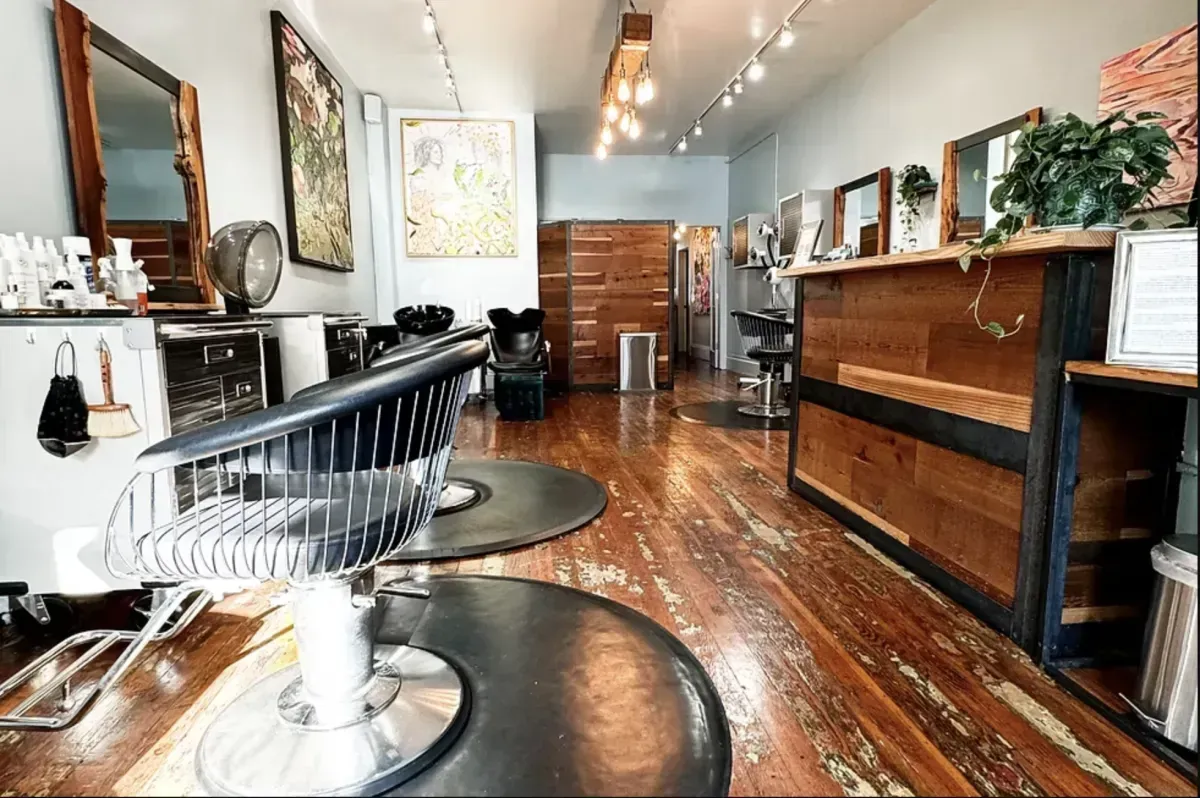
Discover Effective Gray Blending Hair Techniques Today
Understanding Salon Gray Blending Techniques for Beautiful Hair: Your Guide to Natural, Professional Hair Color Transitions
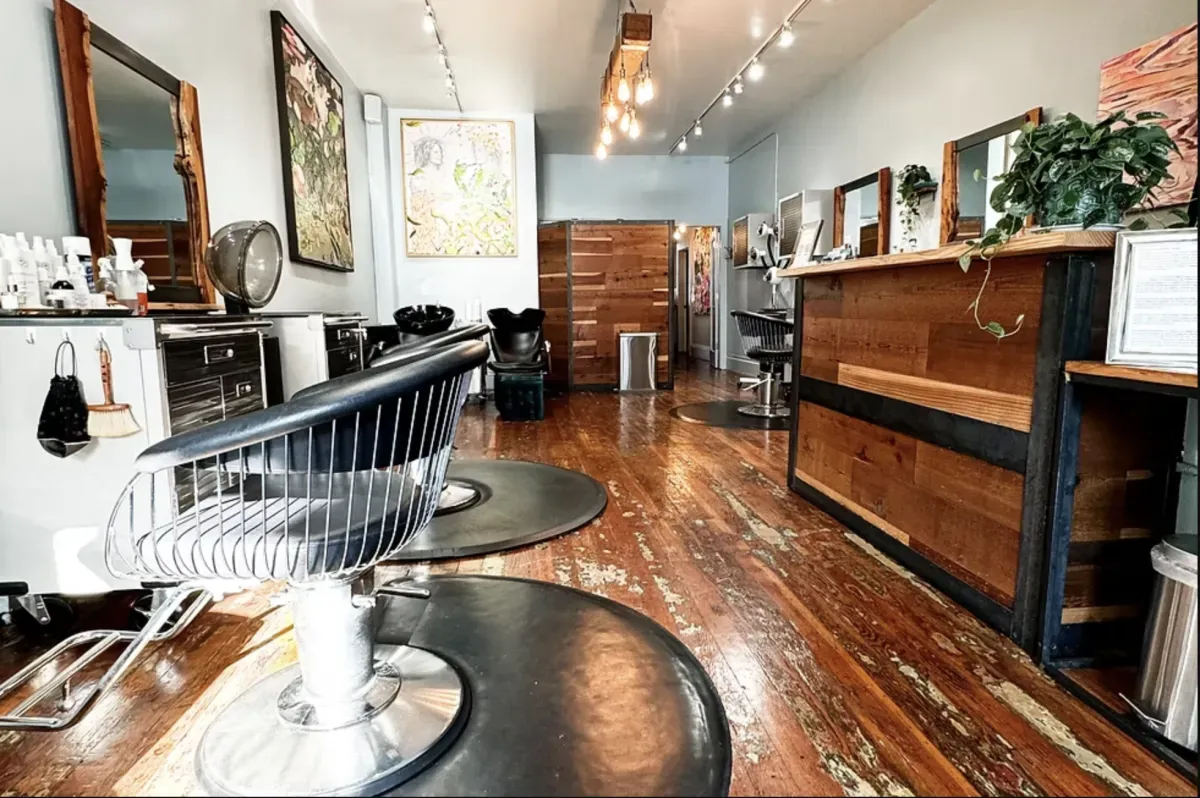
By Benji Pow, Taylor Monroe
Gray hair can be beautiful, and if you want it to blend with your natural color there are gentle techniques to achieve that. This article explains gray blending—how it works, the benefits, and what leads to great results. By learning these approaches you can enhance your natural look and keep a youthful vibe. We'll also show how Taylor Monroe, a San Francisco hair salon, tailors gray blending for each client so you get a service that fits your needs. Plus, you'll find aftercare tips to keep your color looking fresh and a clear explanation of the salon's pricing model.
Gray Blending Techniques: Overview and Benefits
Gray blending uses targeted coloring to soften gray and mix it with your natural haircolor. Techniques used are highlights, lowlights, or hand-painted customized color formulas to create a smooth transition. The main benefit is less obvious regrowth—no harsh lines like with traditional permament haircolor. The result is a more natural outgrowth that will leave you feeling confident when growing out your gray without frequent retouching.
What Are Gray Hair Blending Techniques and How Do They Work?
Blending means applying color to match and work with your natural haircolor you already have. Common methods include balayage, highlights, and demi-permanent color. Each uses a different approach, but all aim to soften gray and deliver a natural finish.
How Does Gray Blending Differ from Going Fully Gray?
Full gray tranformation means lightening your hair to the lightest level, then tonine the hair to a a silve or gray color, that mimics your gray pattern. Blending mixes natural haircolor and using demi-pemanent color formulas to tint your grays, which creates a translucent cover to disguise the gray hair. It's an excellent option if you want to embrace gray while maintaining a youthful look, without the harsh line of demarcation. Blending often appears more natural and typically requires less upkeep than full coverage.
How Does Taylor Monroe Personalize Your Gray Blending Experience?
When it comes to gray blending, Taylor Monroe sets itself apart by offering a highly personalized experience tailored to each client's unique needs and gay hair-pattern . The process begins with an in-depth consultation where Benji Pow assess not only your hair type but also your haircare & lifestyle. This initial discussion helps to establish a clear understanding of the desired outcome—whether you're looking to cover sparse grays, achieve a seamless blend, or maintain a natural appearance. The team's commitment to personalized service ensures that each client feels heard and valued, paving the way for a transformation that enhances both their hair and personal style.
Once the consultation is complete, Benji utilizes custom color formulas and L'oreal Professional haircolor to customize the gray blending process further. Benji consider factors such as your hair texture and lifestyle when selecting the right shades and blending methods. For instance, the use of balayage or foilyage techniques can create lightness in the hair to resemble a naturally lighten effect to softly integrates gray strands with your natural hair color. By embracing an individualized approach, Benji not only provides exceptional results but also fosters a strong connection between stylists and clients, encouraging them to stay connected for any edits or suggestion for upkeep post appointment
What Happens During a Personalized Hair Color Consultation?
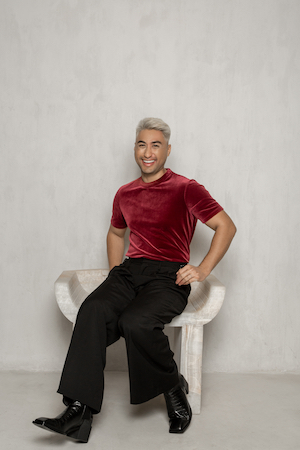
During your consultation at Taylor Monroe, you'll discuss your hair goals and preferences with Benji Pow. He'll evaluate your hair's texture and current color and suggest the best blending options. It's a collaborative process so you remain involved and receive a result you're happy with.
What Should You Know About Pricing and Booking Your Gray Blending Service?
Understanding pricing and booking keeps the process easy. Taylor Monroe offers a gratuity-free pricing model that keeps costs transparent and payments simple. This lets you enjoy your salon visit without worrying about tipping. For exact pricing estimates, it's best to book a consultation with Benji.
How Does the Gratuity-Free Pricing Model Work?
Gratuity-free means the price you see covers the full service—no extra tip needed. That keeps things straightforward and keeps the focus on quality and client satisfaction throughout your visit.
How Can You Schedule Your Gray Blending Appointment Online?
Gray blending for each person will be a different approach. Visit the salon's website, choose the consultation service, pick a time, and confirm your appointment. The online system makes it easy to reserve a time that works for you. Book a Consultation Here.
How Do You Care for Your Hair After a Gray Blending Treatment?
Aftercare matters for keeping your gray blend vibrant and healthy. A few simple habits will help your color look fresh longer.
What Are the Best Hair Care Tips for Gray Blended Hair?
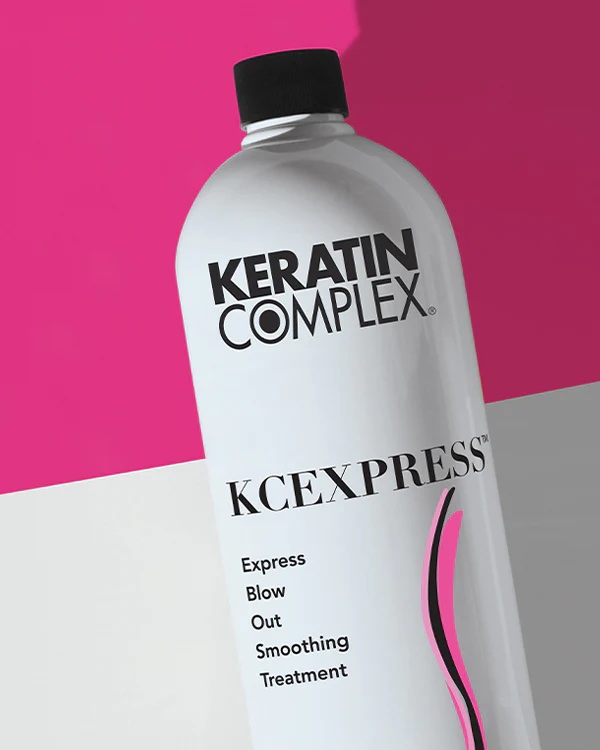
Keratin Express Smoothing
Gray hair texture can often be wiry and coarse, which may make it challenging to achieve a smooth, polished look. The Keratin Complex Express Blow Out is an excellent treatment to lock in hair color and smooth the hair cuticle. This smoothing service helps to tame wiry gray strands, leaving hair silky, shiny, and more manageable. By sealing the cuticle, it also helps to preserve the vibrancy of your gray blending color, extending the life of your salon results.
- Incorporate deep conditioning: Regular deep conditioning treatments keep hair hydrated and healthy.
- Limit heat styling: Reducing the use of heat tools can prevent damage and help maintain color integrity.
Which Products Help Maintain Your Gray Blending Color?
- Sulfate-free shampoos: These are essential for color preservation.
- Moisturizing conditioners: They provide hydration and nourishment to keep hair soft.
- Leave-in treatments: These products help protect hair from environmental damage and maintain color vibrancy.
The products you choose make a big difference in how long your gray blend lasts and how it looks. Pick items that suit your hair type and color to keep your new style looking its best.
Frequently Asked Questions
What is the difference between balayage and highlights in gray blending?
Balayage and highlights both blend gray hair but work differently. Balayage is hand-painted for a soft, sun-kissed effect with gentle transitions. Highlights use foils for more even, defined lighter strands. Both can blend gray well—the right choice depends on the look you want and your hair type.
How often should I get gray blending treatments?
How often you need touch-ups depends on your hair growth and the technique used. Typically, clients return every 6 to 12 weeks to maintain the look. If you choose a low-maintenance method like balayage, you may be able to wait longer. Ask your stylist for a schedule that fits your hair and lifestyle.
Can gray blending be done on all hair types?
Yes—blending works on straight, wavy, and curly hair. The best method depends on porosity, thickness, and the overall health of your hair. A professional stylist can assess your hair and recommend an approach that gives the best result while protecting its integrity.
Is gray blending suitable for men as well?
Absolutely—men can benefit from gray blending too. Subtle highlights or lowlights can soften gray and add dimension. A personalized consultation will find the right approach for your style and preferences.
What should I expect during my first gray blending appointment?
At your first appointment expect a full consultation. Your stylist will assess your hair, discuss the look you want, and recommend the best techniques. The coloring process can take about one to three hours depending on the method and how much hair is treated. You'll also receive aftercare tips to help maintain your new look.
Are there any risks associated with gray blending treatments?
Gray blending is generally safe, but there are risks such as allergic reactions to color products or damage from chemical processes. Tell your stylist about any allergies or sensitivities before your appointment. Proper aftercare helps minimize damage. A professional stylist will guide you through safe practices to ensure a positive experience.
