
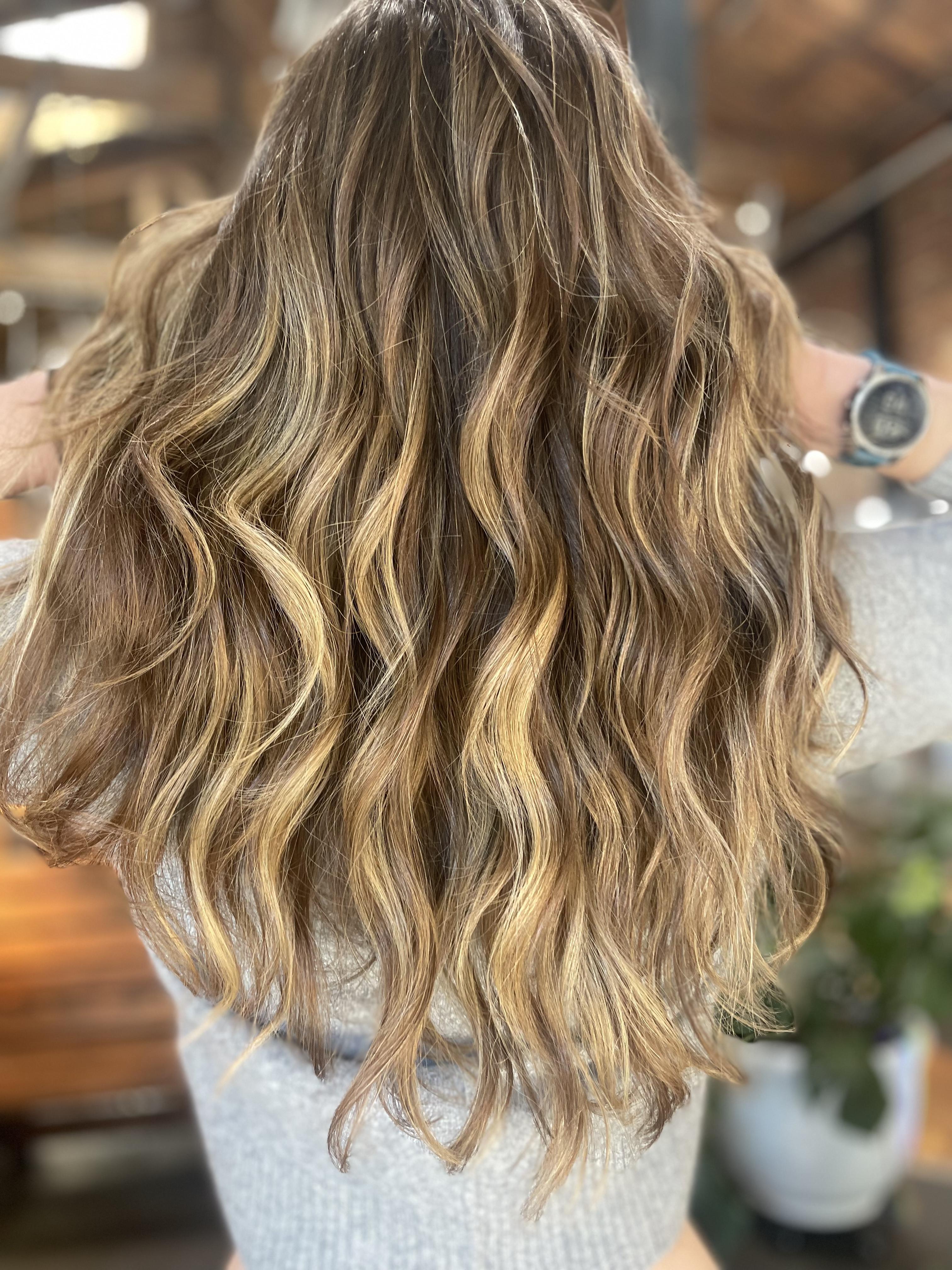
Extension Care 101: Build a Routine Your Hair (and Bonds) Will Thank You For
You got the extensions, they look incredible, and then life happened. You grabbed your regular shampoo in the shower, did your usual aggressive detangle, and let your hair air-dry in a bun. A few weeks later, there's matting at the roots, the bonds feel slippery, and your natural hair underneath is starting to look a little worse for wear. Sound familiar? You're not alone — and it's not your fault. Most people's home haircare routines are genuinely incompatible with extensions. The fix is simpler than you think, but it does require knowing why things go wrong in the first place.
What Extensions Actually Do to Your Hair
Extensions aren't just add-ons — they change the physical reality of your hair. Tape-ins, keratin bonds, and micro-links all add weight at the attachment point, which creates constant tension on the hair follicle. That tension, sustained over weeks and months, is how traction alopecia starts. It's a form of hair loss caused by prolonged mechanical stress on the follicle, and it's more common in extension wearers than most people realize — particularly around the hairline, temples, and nape, where the skin is thinner and the follicles more vulnerable.
Weight is only part of it. Extensions also dramatically reduce how often you can — or should — wash your hair. Permanent methods like tape-ins need to be washed just one to two times per week, because frequent washing loosens the adhesive bonds. Keratin and nano-bead extensions are similar. That reduced washing frequency means your scalp produces oil that has nowhere to travel. Natural sebum distributes along the hair shaft through brushing and daily movement, but when extensions are in the way, it pools near the roots and attachment points. The result: a scalp that feels greasy faster, buildup around the bonds, and a breeding ground for matting if you're not actively separating and brushing through the attachment area every day.
Clip-ins are the exception — because you remove them nightly, they don't create the same sustained tension, and they don't need to be washed nearly as often. The general guidance is every fifteen to twenty wears, or when you notice product buildup. But clip-ins still require the same product rules when it comes to what you use, because the hair itself — detached from a living follicle — can't replenish its own moisture or oil. Every wash strips it a little further unless you're actively replenishing.
Why Your Regular Shampoo Is Working Against You
This is the part that surprises most people: sulfates, the cleansing agents in most drugstore and even mid-range shampoos, are genuinely damaging to extension hair. Sulfates — sodium lauryl sulfate and sodium laureth sulfate are the most common — are surfactants designed to strip oil and product buildup. They do that job extremely well. Too well, for extensions. Extension hair doesn't receive any natural oil from a follicle. Once the outer cuticle is stripped by harsh sulfates, the hair loses moisture rapidly, becomes rough and porous, and begins to tangle and matt far more easily than it should. You'll feel it before you see it: the texture gets almost gritty, and the hair starts resisting your brush instead of flowing through it.
Beyond texture, sulfates are specifically problematic for tape-in extensions because they actively break down the adhesive. The same stripping mechanism that removes oil and buildup can weaken the tape bond over time, causing slippage weeks before your scheduled maintenance appointment. If you've ever had tape-ins that felt loose or slid out sooner than expected, your shampoo may be more responsible than your stylist was.
The ingredient list to avoid goes beyond sulfates. High alcohol content — anything with denatured alcohol or isopropyl alcohol — is similarly drying. Heavy silicones, particularly dimethicone and cyclopentasiloxane, can build up around the bond area and create slippage without the conditioning benefit you're hoping for. The goal is a formula that cleanses gently, deposits moisture, and doesn't leave residue at the attachment points. That's a specific ask, and most shampoos aren't built for it.
K18 Leave-In Repair Treatment — Because Extension Hair Needs Bond Repair Too
Here's something that doesn't get talked about enough: extension hair is processed hair. Whether it's been chemically treated, colored, or simply handled repeatedly through factory processing, the polypeptide chains inside the hair shaft — the internal molecular scaffolding that gives hair its strength and elasticity — are compromised before it even touches your head. And your natural hair underneath the extensions is dealing with its own version of stress: tension, reduced washing, and whatever chemical history it has. K18 addresses both.
The K18 Leave-In Repair Treatment works via a patented biomimetic peptide — a small chain of amino acids engineered to penetrate the hair cortex and reconnect broken polypeptide chains at the molecular level. Think of the hair shaft like a ladder: chemical damage, heat, and tension snap the rungs. K18 goes in and re-welds them. The result is structural — not a coating or a surface treatment, but actual internal repair. It works in four minutes, doesn't need to be rinsed out, and because it's a leave-in, it won't interfere with the tape or bond chemistry the way a rinse-out treatment might. For extension wearers, that last point is significant. You can use it on extension hair and on your natural hair in the same session without risking bond slippage.
The application is intentionally straightforward. Shampoo and condition as usual, then apply a few pumps of K18 to damp hair from mid-length through the ends. Don't apply it directly at the bond or tape attachment — concentrate it on the hair itself. Leave it in. Style as normal. K18 recommends using it for four to six consecutive washes to see progressive improvement, and for extension wearers, that consistency matters. This is maintenance, not a one-time fix.

Building the Routine: Frequency, Order, and Technique
The most important shift for extension wearers is accepting that the routine you had before no longer applies. Washing less is non-negotiable for tape-ins and bonded methods — twice a week is the ceiling, and once a week is genuinely fine for many people. When you do wash, the technique matters as much as the products. Wet extensions straight on from a high-pressure shower head? That creates the kind of mechanical tangling that turns into matting at the bond. Instead, apply shampoo in a downward, smoothing motion from roots to ends. No scrubbing circles at the scalp. No piling the hair on top of your head. Think of it like washing a silk blouse — gentle, directional, with the grain of the fabric.
Condition from mid-shaft to ends only. Conditioner near the bonds — especially tape bonds — creates slippage. Apply, wait two to three minutes, and rinse thoroughly. The blow-dry step is not optional: leaving extension hair damp, particularly near the attachment points, is one of the most direct causes of matting at the roots. Wet hair in that compressed zone swells, shifts, and dries in a tangle that's difficult to reverse. Dry your hair completely — bonds, wefts, and all — before sleeping or putting your hair up.
Before each wash, detangle dry. Run a wide-tooth comb or a loop brush through the extension hair before it gets wet. Wet extensions stretch and can weaken under tension — working through a tangle with wet hair and a narrow brush is how you get breakage at the attachment point. Dry detangling first removes the tangles with far less mechanical stress.
The Detangling Step Most People Get Wrong
Everyone's been taught to brush from root to tip. Undo that habit immediately for extension care. The correct method is ends first, always — start at the very ends of the hair, work through any knots there, then move progressively upward in sections until you reach the attachment area. This approach stops you from driving tangles downward and compressing them tighter with every stroke. It's slower, but it's the difference between a five-minute brush session and a twenty-minute crisis detangle.
At the attachment point — whether that's a tape tab, a keratin bond, or a micro-bead — hold the hair just below the attachment with your other hand while you brush. You're creating a break point that absorbs the tension from the brush so it doesn't travel up to the bond. This is the technique stylists use when they're maintaining extensions, and it's what protects both the bond integrity and your natural hair underneath from the mechanical stress of brushing.
Pro Tips: What Stylists See That You Don't
The single most common mistake stylists see at maintenance appointments is buildup at the bonds from products that weren't designed for extension wear. Dry shampoo is the biggest culprit — it feels like a lifesaver between washes, but the powder and starch base accumulates at the attachment point, creates a sticky environment, and contributes directly to the matting and tangling that makes removal and reinstallation difficult. If you're going to use dry shampoo, apply it at the roots only and keep it two inches away from any attachment point. Better yet, use a light root-refreshing spray instead.
Sleeping in a loose braid or a low ponytail is non-negotiable. When you move in your sleep, friction creates tangling near the bonds — and wet or even damp hair in that position is exponentially worse. Sleep with your hair completely dry, secured loosely, on a silk or satin pillowcase if possible. The reduction in friction matters more than it sounds. Stylists who do extension maintenance can always tell which clients slept with their hair loose and wet — the matting at the nape and temples is a consistent giveaway.
Daily separation of the bonds is the other habit that separates good extension wearers from struggling ones. Every morning, run your fingertips gently across your scalp and physically separate any bonds or tape tabs that have started to drift toward each other. Takes thirty seconds. Skip it for a week and you'll spend an hour trying to untangle a cluster of bonds that have nested together with shed natural hair. About 100 hairs shed from your scalp every day — when you have extensions, that shed hair has nowhere to go and accumulates around the attachment points. Daily separation keeps it manageable. Monthly maintenance appointments with your stylist are where that accumulated shed hair gets properly cleared.
The Shampoo That Won't Work Against You
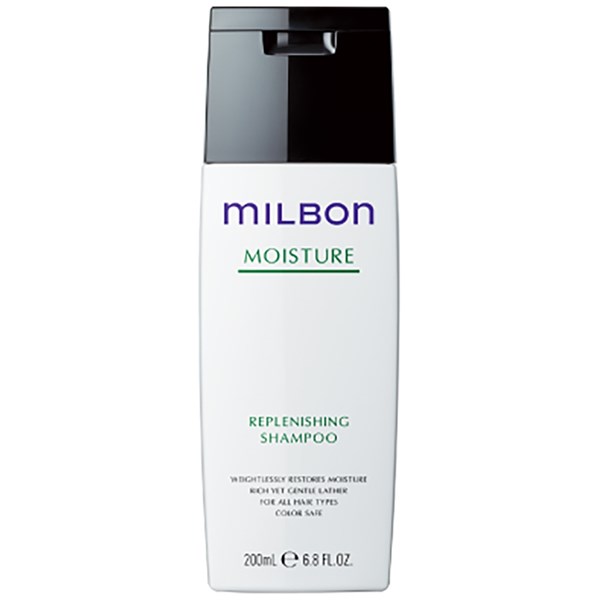
The AIIR Replenishing Shampoo is built specifically for the extension-safe brief: sulfate-free, gentle enough for daily scalp care on non-extension days, and formulated to cleanse without stripping the moisture extension hair depends on. What you're looking for in any extension-safe shampoo is a surfactant system that cleans without aggressive stripping — typically amino acid-based or glucoside surfactants — combined with moisturizing agents that restore what washing removes. The AIIR formula hits that balance. It leaves the hair feeling clean without that squeaky, rough texture that's actually a sign of over-stripped cuticle. And critically, it doesn't contain the high-alcohol or heavy-silicone ingredients that create slippage at the bond.
Use it with the same gentle, downward technique described above. Two to three minutes of contact time is enough. Rinse thoroughly — product residue near the bonds is almost as problematic as the wrong product in the first place. Follow with a conditioner applied from mid-shaft down, never at the roots or bonds, and you have a wash routine that actually works with your extensions instead of slowly working against them.
The Bottom Line
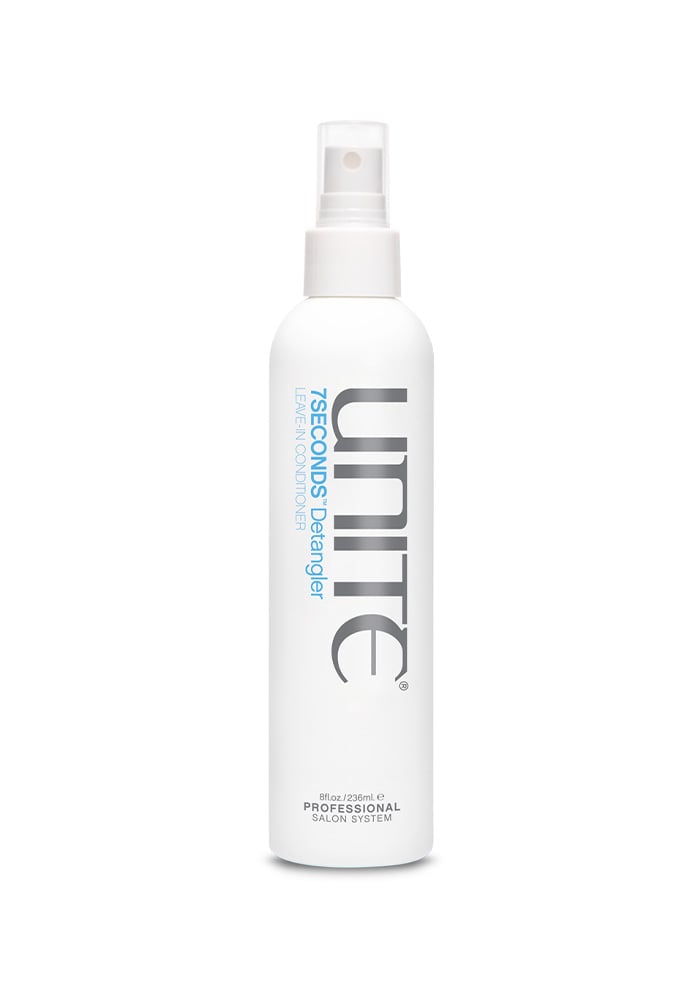
Extensions are an investment — in time, in money, and in the health of your natural hair underneath. The routine that protects that investment isn't complicated, but it's specific. Sulfate-free shampoo, applied gently and infrequently. A leave-in repair treatment that works on the hair itself, not just the surface. A detangling spray and the right technique to move through the hair without stressing the bonds. And the small daily habits — separating, braiding before sleep, drying completely — that prevent the matting and tension damage that shortens extension life and wears on your natural hair.
The difference between extensions that feel like a chore and extensions that feel effortless is almost always the routine. Get the products right, get the technique right, and the hair takes care of itself in between. That's the goal — not perfect hair every day, but a maintenance routine you can actually sustain without it becoming a second job.
If you're not sure where to start, start with the shampoo. It's the one swap that touches every wash and compounds over time. Get that right first, add the detangler for your between-wash brushing sessions, and bring K18 in on wash days. Three products, a few technique adjustments, and your extensions will stay in better shape, last longer, and be a lot easier to live with.
