
How to Find a Balayage Specialist in San Francisco
You've saved the photos. You've decided balayage is the move. And then you hit the actual hard part: finding someone in San Francisco you trust to hand-paint it onto your head. Honestly, that's the step most people rush — and it's the one that decides whether you walk out glowing or spend the next six months growing out a stripe. Let's make the search a lot less nerve-wracking.
What makes a balayage specialist different from a general colorist?
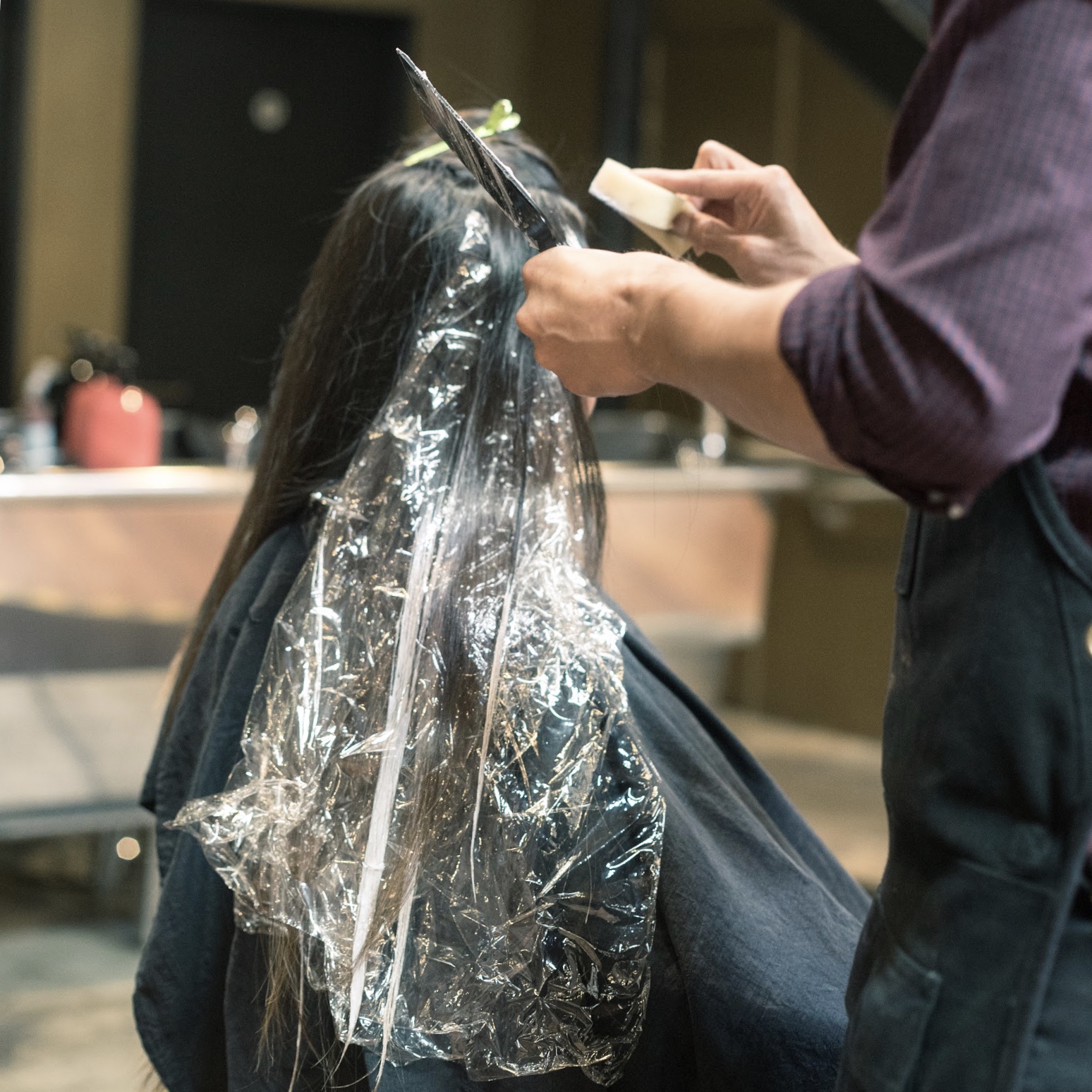
A balayage specialist is a colorist who hand-paints lightener freehand — no foils, no cap — and does it often enough that placement is second nature. The word balayage is French for "to sweep," and that's exactly the skill: sweeping color where the light would naturally hit, then blending it so you can't tell where your root ends and the color begins. A generalist can technically do it. A specialist does it every day.
That difference matters because balayage lives and dies on judgment, not just technique. Where the light lands, how much product goes on each strand, how far down it travels — those are hundreds of tiny calls made by hand, in the moment. Rushing it produces muddy, uneven results. Someone who paints balayage constantly has the muscle memory to keep every piece even and the eye to read your specific hair.
It also matters for darker hair. Open-air balayage often doesn't lift dark or black hair enough for a true bright result, so a specialist will reach for foilyage — hand-painting first, then wrapping sections in foil for extra heat and lift. Knowing when to switch techniques is exactly the kind of thing that separates a specialist from someone who only paints the way they were taught once.
How do you check a balayage portfolio the right way?
Look for a colorist's own client work — not stock photos — showing consistent, "lived-in" results where you genuinely can't spot where the natural root ends and the color starts. The strongest green flag is a gallery of real people, photographed in natural light, across different ages and hair textures. That tells you they can adapt, not just repeat one signature look.
Instagram is your friend here. Scroll past the single hero shot and look for range: brunettes, blondes, coarse hair, fine hair, before-and-afters that aren't styled to hide the transition. Do they post hair that looks like yours? A specialist who works on dark hair should be showing you dark-hair balayage, not just beachy blonde. Warm caramel, mocha, and honey tones painted into a brown base should look rich and natural in their photos — not brassy or striped.
A gallery filled with stock images, or no portfolio at all, is a hard no. So is a feed where every photo is shot in the same flattering filter — real color holds up in natural light, and a confident colorist will show you that.
What questions should you ask a balayage specialist?
Ask five things: how they'd approach your hair type and color history, how many sessions your goal will realistically take, what the upkeep looks like, what products they use, and roughly what it'll cost. Good specialists answer all of these clearly and without hedging. The consultation is where you find out whether someone is actually listening to your hair or just booking you in.
Come with inspiration photos, but treat them as a starting point, not a promise. A skilled colorist will look at your natural level, any previous color, box dye, or keratin treatments, and tell you honestly what's achievable and what it'll take to get there. If your goal needs more than one visit, you want to hear that upfront — not discover it when you're still two shades off at the end of a three-hour appointment.
Ask about your lifestyle fit, too. A specialist should ask how much time you actually want to spend on maintenance and build the placement around that. Balayage is prized for being low-upkeep, but "low" still has a range, and the right colorist tailors the look to how often you truly want to sit in the chair.
How much does balayage cost in San Francisco?
In San Francisco, balayage generally runs from about $150 for a partial up to $400 or more for a full, detailed session, with the city average landing around $290. Price tracks with hair length, how much lift your color history requires, and the colorist's experience. Longer, darker, or previously-colored hair takes more time and product — so it costs more.
Here's the part that reframes the number: because balayage grows out softly, you visit far less often than you would for traditional foil highlights. That changes the real annual math.
| Balayage | Traditional Highlights | |
|---|---|---|
| Typical SF session | $150–$400+ | $120–$300 |
| Touch-up cadence | Every 12–16 weeks | Every 6–8 weeks |
| Visits per year | 3–4 | 6–8 |
| Grow-out | Soft, no harsh line | Visible regrowth line |
| Between-visit refresh | Gloss/toner every 8–12 weeks | Toner as brass appears |
Between full appointments, a quick gloss or toner refresh every 8–12 weeks keeps the tone fresh and manages any brass — a much smaller commitment than the every-six-weeks root chase that foils demand. A colorist who won't give you a ballpark price during the consultation is a colorist to be wary of.
What are the red flags of a bad balayage colorist?
The biggest red flags: no real portfolio, dodging your questions about price or experience, promising a dramatic single-session result with no mention of damage, and starting to mix lightener without ever asking about your color history. Any one of these is a reason to keep looking. Balayage is too personal — and too permanent — to hand to someone who's guessing.
Watch the consultation closely. If a stylist glances at your hair, nods, and reaches for the bleach without asking about past color, box dye, or keratin treatments, that's a massive tell. So is the vague brush-off — "oh, it won't be too bad, we'll figure out the price at the end." You deserve a real estimate before anyone touches your hair.
A couple of quieter red flags: generalist salons that double-book to hit revenue targets, so your colorist is bouncing between two clients while your lightener processes unevenly. Balayage needs uninterrupted, hands-on focus — rushing it is how you end up with patchy saturation, visible bands, and warmer tones than you asked for. And glance at the back bar. Professional-grade products signal a colorist who invests in their craft.
How to find and vet a balayage specialist in San Francisco
Start with recommendations and Instagram, shortlist two or three colorists whose real client work looks like your hair goal, then book consultations before you commit to a color appointment. A consultation is where a genuine specialist earns your trust — and in San Francisco, many studios (ours included) offer it free, so there's no reason to skip it.
At Taylor Monroe, that free 15-minute consultation is exactly where we figure out whether your goal is a one-session paint or a gradual few-visit plan, and what the upkeep will honestly look like for your routine. We've been coloring hair for 17 years — seven of them here in San Francisco — with named specialties in balayage, dark-hair color, blonding, and gray blending. You'll find us in the Lower Haight at 146 Fillmore St and in the Castro at 228 Sanchez St.
One more thing that takes the anxiety out of the decision: our pricing is gratuity-free, so the quote you get in the consultation is the actual price — no mental math at the register, no guessing about a tip on top. Between the free consult and the flat quote, you can vet us the same way you'd vet anyone: ask the questions above, look at the work, and see if it feels like a fit before you book.
Frequently Asked Questions
What's the difference between a balayage specialist and a regular colorist?
A balayage specialist hand-paints lightener freehand every day, so placement and blending are second nature. Any colorist can attempt balayage, but a specialist has the eye and muscle memory to keep every strand even and knows when to switch to foilyage on darker hair for more lift.
How much does balayage cost in San Francisco?
Balayage in San Francisco generally runs from about $150 for a partial to $400 or more for a full session, averaging around $290. Price depends on hair length, your color history, and the colorist's experience. Because grow-out is soft, you visit only three to four times a year.
How often do I need to touch up balayage?
Full balayage appointments are typically spaced every 12 to 16 weeks — three to four times a year — because it grows out without a harsh line. A quick gloss or toner refresh every 8 to 12 weeks keeps the tone bright and manages brass between those full sessions.
How do I check a colorist's balayage portfolio?
Look for their own client photos in natural light, not stock images, showing consistent "lived-in" results across different ages and hair textures. The best green flag is work where you can't tell where the root ends and the color begins — and examples on hair that looks like yours.
Can you do balayage on dark hair?
Yes. Dark hair often needs foilyage — hand-painting the lightener, then wrapping sections in foil for extra heat and lift — because open-air balayage may not brighten dark hair enough on its own. A specialist paints warm caramel, mocha, or honey tones that read natural against a brown base.
What should I ask during a balayage consultation?
Ask how they'd approach your specific hair type and color history, how many sessions your goal realistically takes, what maintenance looks like, which products they use, and roughly what it'll cost. Clear, direct answers are a green flag; vague or evasive ones are your cue to keep looking.
The Bottom Line
Finding a balayage specialist isn't about luck — it's about doing a little homework before you sit in the chair. Study real portfolios, ask the five questions, and pay attention to whether someone is actually reading your hair or just booking you in. The colorist who asks about your history, gives you a straight price, and shows you work that looks like your goal is the one worth your time.
When you're ready, the lowest-pressure next step is a free 15-minute consultation — no commitment, just a conversation about your hair and an honest read on what's possible. Come with your photos and your questions. Whether you're in the Lower Haight or the Castro, that's where the right balayage starts: with a specialist who tells you the truth before they ever pick up a brush.
