
How to Stop Hair Breakage for Good (And Why It Keeps Coming Back)
How to Stop Hair Breakage for Good (And Why It Keeps Coming Back)
You notice it first around your temples — those short, frizzy pieces that refuse to lie flat. Then in your brush: not a dramatic clump, just a constant steady stream of shorter strands mixed in with the longer shed hairs. Hair breakage doesn't announce itself the way hair loss does. It sneaks up quietly, stealing length and density until one day you catch yourself in a certain light and wonder what happened to your hair.
The frustrating part is that most people try the obvious fixes — more conditioner, a deep mask, less heat — and get minimal results. That's because breakage isn't primarily a moisture problem. It's a structural one, and treating it correctly requires understanding what's actually happening inside the strand.
Why Your Hair Is Breaking in the First Place
Hair is more architecturally complex than it looks. Each strand has three layers: the medulla (the soft inner core), the cortex (the thick middle layer made of keratin protein chains), and the cuticle (the protective outer scales that lie flat when hair is healthy and lift when it's stressed). The cortex is held together by three types of chemical bonds — disulfide bonds, hydrogen bonds, and salt bonds — and when these bonds are damaged or broken, the strand loses its structural integrity and literally snaps.
The causes of breakage fall into three main categories. Mechanical damage is the most common: aggressive brushing, especially on wet hair, tight elastic bands, friction from cotton pillowcases, and rough towel-drying all create physical stress that chips away at the cuticle and eventually fractures the cortex. Thermal damage comes from heat tools — flat irons, curling wands, and blow dryers used at high temperatures disrupt hydrogen bonds and, with repeated use, cause permanent protein degradation. Chemical damage from coloring, relaxing, or perming also attacks disulfide bonds directly.
What most people miss is how these stressors compound. A chemically processed strand that's then blow-dried daily and brushed aggressively when wet isn't experiencing one type of stress — it's experiencing three simultaneously. The result is hair that looks fine in photos but feels brittle in your hands, breaks at mid-shaft rather than at the ends, and never seems to retain length no matter how long you grow it. According to dermatologists and trichologists, this pattern — breakage that resists standard deep conditioning — is almost always a sign that the internal bonds are compromised, not just the surface moisture level.
What Actually Works: The Ingredients to Look For
Understanding the difference between moisturizing and bond-building is the single most important distinction in any anti-breakage routine. Moisture treatments — oils, butters, humectants like glycerin — work on the surface and within the hydrogen bonds to improve flexibility and softness. They're essential, but they don't repair structural damage. Bond-building technology works differently: it actively seeks out broken disulfide bonds within the cortex and reconnects them, restoring the integrity of the strand from the inside out.
The ingredient that changed how the beauty industry thinks about this is Bis-Aminopropyl Diglycol Dimaleate — the patented compound in Olaplex. It works as a single-ingredient active that links broken disulfide bonds back together during or after any chemical or mechanical process. But bond damage isn't the whole story. Protein depletion also causes significant breakage: as the keratin structure in the cortex degrades, strands become hollow and weak. Hydrolyzed proteins (wheat, keratin, soy, corn) can partially fill in these gaps, temporarily reinforcing the hair shaft while longer-term repair takes place. The key word is balance — too much protein without sufficient moisture creates brittle, stiff hair that breaks more easily, not less. A successful anti-breakage regimen addresses both layers: structural bond repair and protein-moisture equilibrium.
Look for products that combine bond-building actives with nourishing lipids. Argan oil, sweet almond oil, and rosehip oil all deliver essential fatty acids that mimic the natural lipids in the hair's intercellular cement — the "glue" between cuticle cells that erodes with damage. Panthenol (pro-vitamin B5) is another star ingredient: it penetrates the cortex and bonds to the keratin, improving elasticity and significantly reducing breakage during combing and styling.
Olaplex No. 3 Plus: The Pre-Shampoo Treatment That Works While You Shower
If you're going to add one step to your routine for breakage, make it this. The Olaplex No. 3 Plus Hair Repair Treatment is the at-home version of the professional bond-building system that salon colorists have been using for years, and it genuinely earns its cult status. Applied to damp hair before shampooing and left on for as little as three minutes (though longer is always better), it actively repairs disulfide bonds across all three levels of the hair's bond structure — cortex to cuticle.
The updated formula also includes Crambe Abyssinica Seed Oil, Avocado Oil, and a natural humectant derived from L-Glutamic Acid that adds softness and manageability alongside the bond repair. The result isn't just marginally better hair — it's hair that behaves differently. The kind of elasticity that means a strand stretches slightly before breaking rather than snapping immediately. After consistent use, you'll notice fewer short broken pieces in your brush, less mid-shaft snap when you run your fingers through your hair, and an overall sense of resilience that no amount of conditioning alone can deliver.
Use it once a week as a non-negotiable pre-wash treatment. If your hair is heavily damaged or chemically processed, twice a week for the first month accelerates visible results. Think of it like physical therapy for your strands — you're not just masking the problem, you're actively rebuilding the structure.
Building a Routine That Prevents Breakage From Coming Back
Bond repair is step one. Keeping that repair intact — and not undoing it every time you style — is step two. The routine that works isn't complicated, but it does require consistency and the right supporting players.
Start with a sulfate-free shampoo: sulfates are effective cleansers, but they strip the natural lipids that cushion the cuticle against friction damage. Follow with a protein-moisture balanced conditioner, focusing on the mid-lengths and ends where breakage concentrates. Then, once or twice a week depending on your hair's needs, reach for a dedicated strengthening mask. This is where the Briogeo Don't Despair, Repair! Deep Conditioning Mask earns its place as a weekly staple.
The Briogeo Don't Despair, Repair! Deep Conditioning Mask is formulated around their NOVA Complex — a proprietary blend of B-vitamins, rosehip oil, argan oil, algae extract, and biotin that works together to deliver both protein and lipid reinforcement in a single 10-minute treatment. The formula contains hydrolyzed corn, wheat, and soy proteins that fill in gaps in the hair's cortex, while the cold-pressed oils seal the cuticle and lock in moisture. It's clinically proven to reduce hair breakage and strengthen hair up to two times after just three uses — not marketing language, actual in-vitro testing against a control.
What makes this mask particularly well-suited to a breakage routine (versus a standard deep conditioner) is its 97% naturally derived formula that works across all hair types and textures, including color-treated, chemically relaxed, and keratin-treated hair. It's free of sulfates, silicones, phthalates, parabens, and DEA — meaning it won't undo the lipid work your other products are doing. Apply generously from roots to ends, leave on for 10 to 20 minutes with heat or 30 minutes without, and rinse thoroughly.
The Mistakes That Keep Breakage Coming Back
The biggest error most people make is treating breakage as a singular problem rather than a cumulative one. You can do a bond treatment every week and still experience significant breakage if you're detangling aggressively when wet, using heat without protection daily, or putting your hair in tight ponytails and buns every morning. Every single one of those habits chips away at the structural work your treatment products are doing. The goal is to reduce the total mechanical load on your hair as much as possible while simultaneously building strength from within.
Wet hair is at its most vulnerable — the hydrogen bonds that give hair its shape and some of its strength are temporarily broken by water, which is why hair stretches more and snaps more easily when wet. Detangle with a wide-tooth comb starting from the ends and working upward, never from root to tip. Better yet, detangle with a good leave-in conditioner in the shower before rinsing, while the slip from conditioner makes combing almost effortless. And never, ever wrap wet hair aggressively in a towel — the friction from terrycloth is genuinely destructive to a compromised cuticle. A microfiber towel or an old t-shirt used with a light pressing-and-blotting motion makes a real difference.
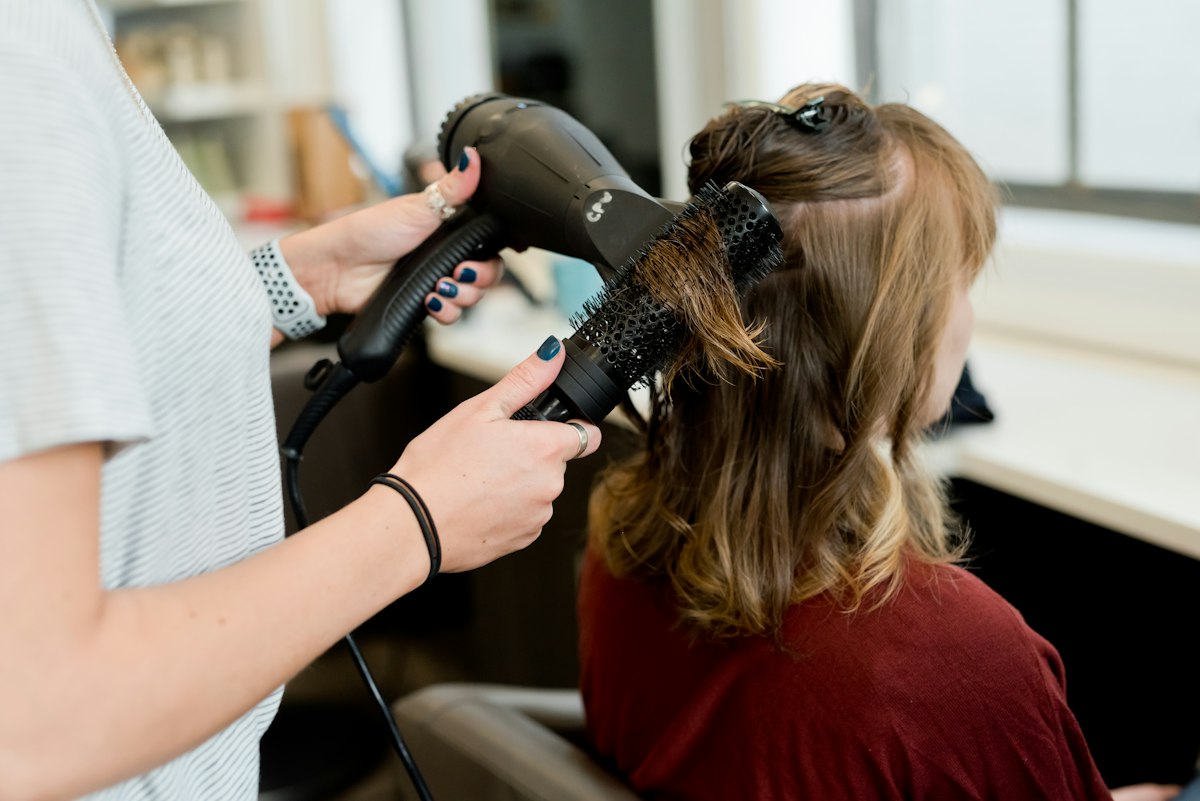
Heat styling is unavoidable for most people, but the difference between protective heat styling and damaging heat styling comes down to one thing: temperature. Most people use flat irons and curling wands at temperatures far higher than their hair actually needs. Fine or damaged hair should rarely exceed 300°F; medium hair 350°F; thick, coarse, or highly textured hair up to 400°F. Anything above that isn't achieving better results — it's just causing more protein degradation. Always apply a heat protectant before any heat contact, without exception. The Redken Extreme Anti-Snap Leave-In Treatment pulls double duty here: it's a protein-rich leave-in treatment that reduces breakage by up to 73% when used with the Extreme system, but it also provides heat protection up to 450°F.
The anti-snap formula's strengthening protein complex reinforces the cortex while the leave-in conditioning base improves slip for detangling. Apply a small amount to damp hair before styling — it absorbs quickly without weighing hair down — and it works continuously throughout the day, adding tensile strength to each strand so that styling stress, friction, and environmental exposure cause less cumulative damage. For fine hair especially, this kind of daily reinforcement between weekly treatments is what actually maintains the gains you're making with your bond-repair routine.
The Bottom Line
Breakage is fixable, but it requires a different strategy than most people try first. Moisturizing your hair more isn't the answer — repairing its internal structure is. That means bond-building treatments that reconnect broken disulfide bonds at the molecular level, protein-moisture balanced conditioning to restore the cortex's density and flexibility, and a daily leave-in that protects against the mechanical and thermal stress that keeps undoing your progress.
Start with the Olaplex No. 3 Plus as your weekly foundation, layer in the Briogeo mask for deep protein and lipid reinforcement on the days you wash, and finish with the Redken Anti-Snap on every styling day. Give it six weeks of consistency. That's roughly the time it takes for most people to notice a real change in strand density and breakage rate — not just smoother texture, but actual structural resilience that holds up to your real life.
Your hair grew out of your scalp strong. The goal isn't to baby it forever — it's to rebuild it so it can handle your everyday without losing the plot every time you reach for a brush.
