Partial vs. Full Balayage: Which Do You Actually Need?
Your colorist asks, “partial or full?” and suddenly you’re doing math you weren’t prepared for. One is a couple hundred dollars less. One takes half the afternoon. And nobody really explains what you’re giving up by picking the smaller one.
Here’s the thing: for a lot of people, partial is genuinely the better call — not the budget compromise. For others, it’s the reason their color looked flat in a ponytail two weeks later. Let’s sort out which one you are.
What’s the difference between partial and full balayage?
Partial balayage paints lightener on the top layer of your hair and the pieces framing your face — roughly what you see looking in a mirror. Full balayage works through the whole head, including the under-layers at the back and the nape. Same hand-painted technique, same soft grow-out. The difference is coverage, not method.
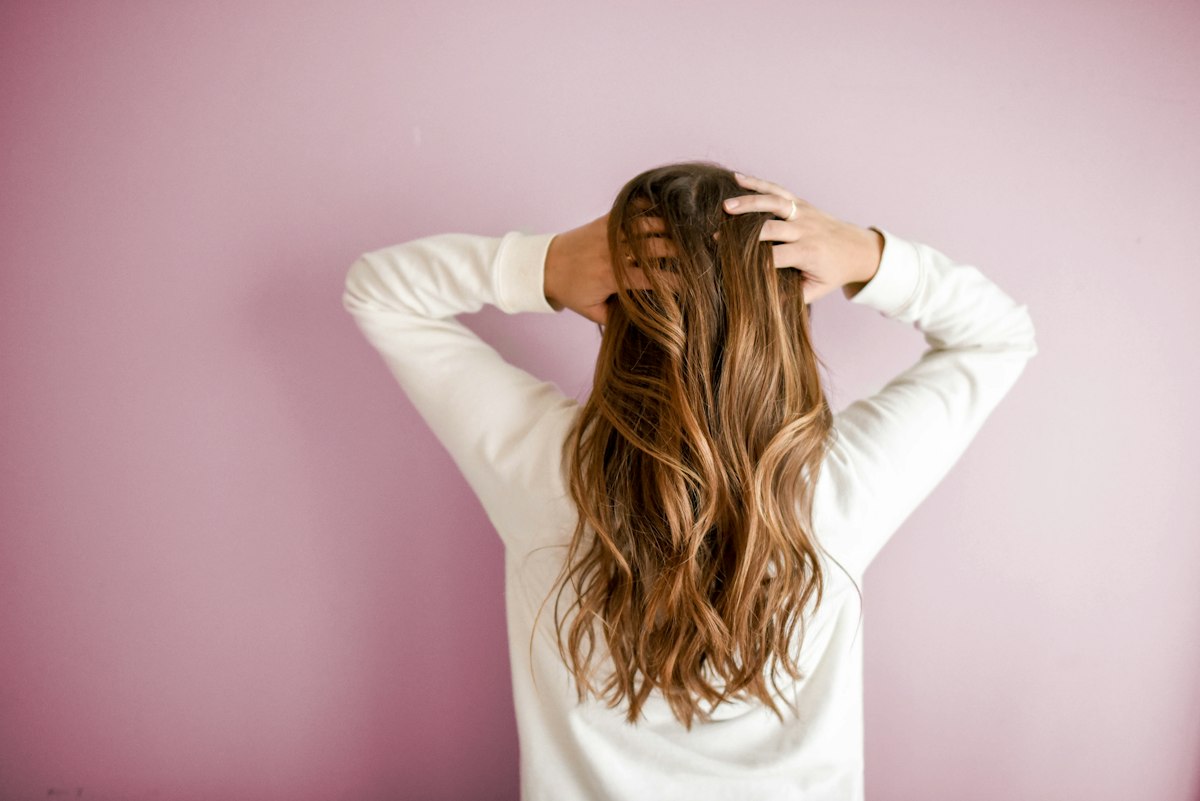
Think of your hair as having two layers: the canopy on top that catches light, and everything underneath it. A partial brightens the canopy. Because hair naturally falls over itself, that canopy is most of what anyone sees when you wear your hair down — which is exactly why partial balayage can look like a full head of color in the mirror and in photos.
A full balayage goes deeper into the sectioning, lifting pieces from the interior and the back so the brightness reads the same whether your hair is down, twisted up, or pulled back. It uses more product and more time, and it commits more of your hair to lightener. Neither one is “better.” They answer different questions.
How much does partial vs. full balayage cost in San Francisco?
In San Francisco, partial balayage generally starts around $150 and runs to roughly $250, while full balayage typically lands between $250 and $400 or more. The citywide average for balayage sits near $290. At the same salon, a partial is usually 15–20% less than a full — a real gap, but smaller than most people assume.
What moves the number isn’t the label on the service. It’s length, density, and color history. Hair past your shoulders takes more product and more painting time. Thick hair means more sections. And if there’s box dye, an old keratin treatment, or three years of previous highlights in there, your colorist is solving a puzzle before they ever pick up a brush.
Ask what’s actually included, too. Some quotes cover the toner or gloss that finishes the service; some bill it separately, which is how a $220 appointment becomes $300 at checkout. At our two San Francisco studios we quote gratuity-free — the number you hear at the consultation is the number you pay, tip included. No mental arithmetic at the front desk.
How long does each take, and how often will you be back?
Plan on about 45 minutes to 90 minutes in the chair for a partial balayage, and 2–3 hours for a full, plus processing and toning. On maintenance: partial balayage comfortably stretches 14 weeks or more between touch-ups, while a full typically wants a refresh every 12–14 weeks. Both benefit from a gloss at the 6–8 week mark.
That gloss appointment is the part people skip, and it’s the one that does the most work for the least money. A gloss (or toner) doesn’t lighten anything — it just resets your tone, knocks back the warmth that creeps in from sun, minerals, and hot water, and puts the shine back. It’s a short visit, it’s a fraction of the cost of a full service, and a toner holds roughly 4–8 weeks.
Used well, glossing changes your whole calendar. Clients who come in for a gloss at 6–8 weeks often stretch their full balayage refresh to four or five months instead of three. If the grow-out struggle is what’s burning you out, that rhythm — big service twice a year, gloss in between — is probably your move.
| Partial Balayage | Full Balayage | |
|---|---|---|
| Where it’s painted | Top layer + face-framing pieces | Whole head, including under-layers and nape |
| Time in the chair | 45 min – 1.5 hrs | 2 – 3 hrs |
| Typical SF cost | $150 – $250 | $250 – $400+ |
| Touch-up cadence | 14+ weeks | 12 – 14 weeks |
| Gloss / toner | Every 6 – 8 weeks | Every 6 – 8 weeks |
| Looks best | Hair worn down | Down, up, braided — any angle |
| Hair committed to lightener | Less | More |
| Best for | First-timers, subtle brightness, lower upkeep | Dark bases, high contrast, all-over dimension |
So which one do you actually need?
Choose partial balayage if you wear your hair down most days, want brightness around your face, and would rather spend less time and money per visit. Choose full balayage if you live in a ponytail or bun, have dark hair where the contrast matters, or want color that reads the same from every angle. That’s the honest split.
The fastest way to decide is what we’d call the ponytail test. Pull your hair back right now. Is that how people see you most of the time — at the gym, on a commute, in a work-from-home headset? If yes, a partial will disappear the moment you tie it up, because the under-layers doing all the visible work were never painted. If you almost always wear it down, a partial does 90% of what a full does for meaningfully less.
Dark hair deserves its own note here. On a deep brunette or black base, a partial can read as a stripe rather than dimension, because the untouched interior stays near-black and the contrast lands hard at one edge. A skilled colorist solves that with placement — softer, more diffused sections and a few interior pieces pulled through even on a “partial” — but it’s a real conversation to have before anyone mixes anything. A dark-hair specialist will raise it unprompted.
And you don’t have to decide forever. Starting with a partial and building toward a full over two or three appointments is a completely normal path. It spreads the cost, it spreads the lightening, and you get to see how the color wears on your actual life before committing more of your hair to it. Less intervention, more intention.
How to find the right balayage colorist — and what to expect
The single best filter is a portfolio with hair like yours in it — your starting depth, your texture, your length — shot in natural light rather than a filtered salon mirror. Then watch the consultation. A specialist asks about your color history before they talk price, and they tell you what’s realistic in one session rather than promising everything at once.
The red flags are just as clear. If someone looks at your hair, nods, and starts mixing lightener without asking about box dye, keratin treatments, or that toner you tried in 2024, that’s a problem — color history determines how your hair will lift, and guessing is how you get patchy, gold-stuck results. Dodging questions about cost or experience is another. So is a dramatic one-session promise with no mention of your hair’s condition. Good lightening includes a bond-builder like Olaplex or K18 mixed into the formula to protect the hair’s internal structure while it lifts, and a colorist who cares will bring that up themselves.
Come prepared and the whole thing gets easier. Bring two or three inspiration photos taken in daylight, an honest list of everything that’s touched your hair, and a realistic sense of two numbers: how often you can come in, and how much styling you’ll actually do at home. A colorist can design around any answer — they just can’t design around a guess.
That’s the conversation we have every day at Taylor Monroe. Seventeen years behind the chair, seven of them here in San Francisco, with studios in the Lower Haight at 146 Fillmore St and in the Castro at 228 Sanchez St. Balayage, blonding, gray blending, and dark-hair color are the work we specialize in, so partial-versus-full isn’t a menu question to us — it’s a placement decision we make with you. The 15-minute consultation is free, the quote is gratuity-free, and you’re welcome to come in, hear the plan, and go think about it.
Frequently Asked Questions
Is partial balayage cheaper than full balayage?
Yes. At the same salon, partial balayage typically costs 15–20% less than full. In San Francisco that usually means roughly $150–$250 for a partial versus $250–$400 or more for a full. Length, density, and color history move the price more than the partial-or-full label does.
Can you turn a partial balayage into a full balayage later?
Absolutely, and it’s a common plan. Your colorist adds interior and under-layer sections at your next appointment, building on placement that already exists. Spreading it across two or three visits is gentler on your hair than a single heavy session and lets you live with the brightness before adding more.
Does partial balayage damage hair less than full?
Generally yes, simply because less of your hair is exposed to lightener. The under-layers stay untouched. That said, damage depends far more on formulation, saturation, and processing than on coverage — a well-executed full balayage with a bond-builder can be kinder than a rushed partial.
Is partial balayage enough for dark hair?
It can be, but placement matters more on a dark base. Because the untouched interior stays near-black, a partial can read as a stripe instead of dimension if it’s painted too narrowly. A dark-hair specialist will diffuse the sections and pull a few interior pieces through to keep it soft.
How long does balayage last before a touch-up?
Partial balayage usually holds 14 weeks or longer; full balayage tends to want a refresh every 12–14 weeks. Because balayage grows out softly with no hard root line, the timing is mostly about brightness and tone rather than an obvious line of demarcation.
Do I need a gloss between balayage appointments?
You don’t need one, but it’s the highest-value appointment on the calendar. A gloss at 6–8 weeks resets your tone, cancels brass, and adds shine without any lightener. Toner holds about 4–8 weeks, and glossing regularly can stretch a full balayage refresh to four or five months.
The Bottom Line
Partial versus full isn’t small versus big, or cheap versus good. It’s a question about how you actually wear your hair and how often you want to be in a salon chair. If your hair lives down around your shoulders, a partial gives you nearly all of the effect for less time and less lightener. If it lives in a ponytail, or your base is dark enough that the contrast has to be handled carefully, a full is what makes the color look intentional from every angle.
Either way, the decision is easier out loud than on a booking page. Bring your photos, be honest about your color history and your calendar, and let a colorist map the placement to your life rather than to a service menu. If you’re in San Francisco and want to talk it through with no commitment, our 15-minute consultation is free at both the Lower Haight and Castro studios — come see what your hair actually needs.