
Second Day Hair Saviors: Fresh Locks Without the Wash
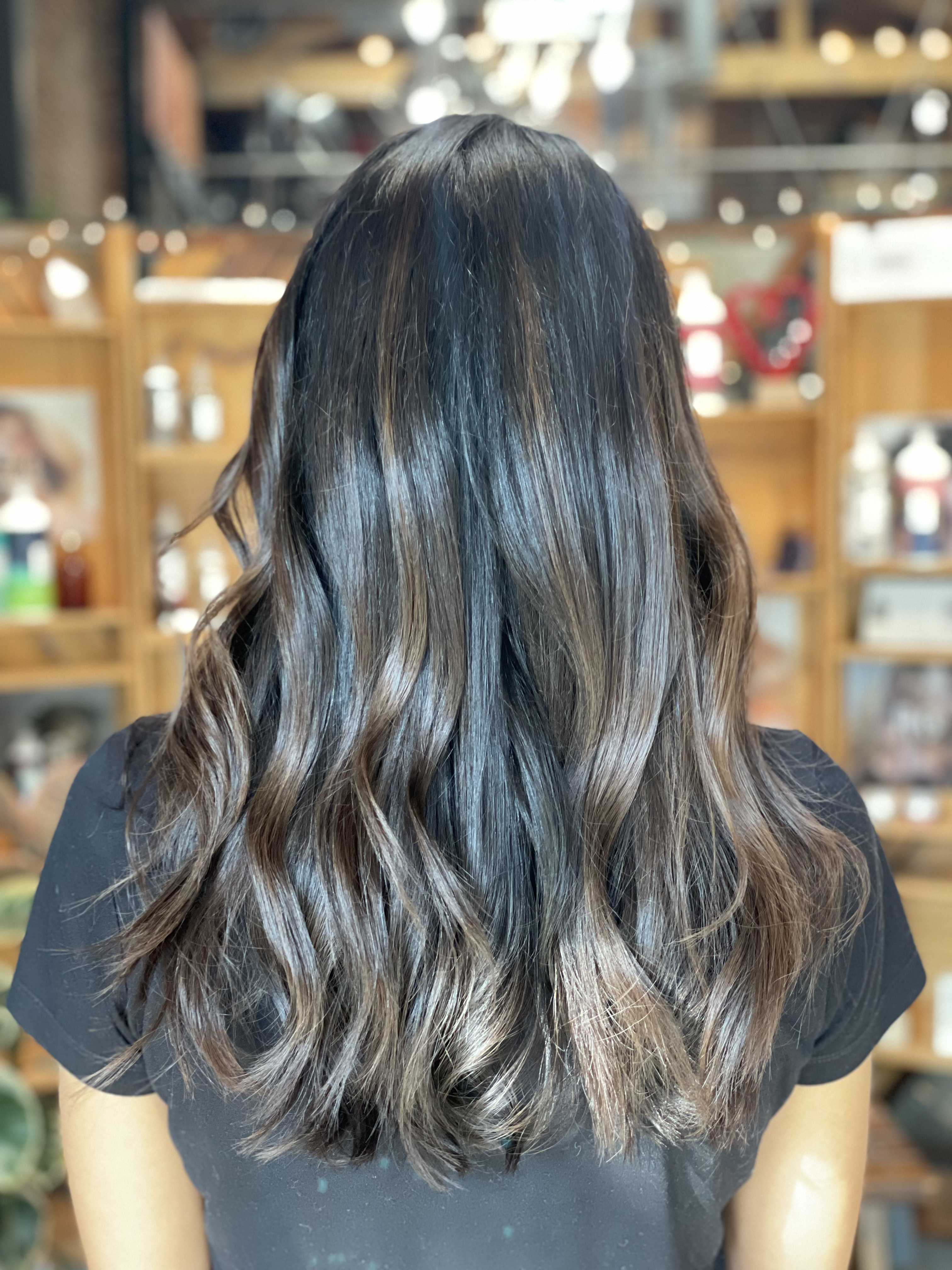
You styled it yesterday — the blowout actually cooperated, or the waves finally came out right — and now it's morning, and the hair still has most of the shape but there's that familiar heaviness starting at the roots. Washing would reset everything. That's not your only move.
The Real Problem With Second-Day Hair
Every scalp produces sebum — a natural oil your body makes to protect the skin and keep the hair shaft moisturized. The issue isn't that sebum is bad. It's that it shows up on a schedule, not on yours. By day two, it's worked its way from the scalp down toward the roots, and that's where hair starts to look flat, heavy, and oily. The rest of the strand can still look great. The root zone is what gives it away.
Here's the thing most people don't realize: hair actually performs better for a lot of styles on day two and three. Freshly washed hair can be slippery, resistant to curls, and hard to get braids or updos to hold in. A day of natural oils gives hair grip, weight, and flexibility. Curls stay more defined. Waves have actual texture. Even a simple ponytail sits better. The problem isn't that your hair is dirty — it's that the visible sebum at the roots makes it read that way.
The default response is to wash and start over. But daily washing has real downsides: you strip away the oils your scalp and strands actually need, your color fades faster, and you can train your scalp to overproduce oil to compensate — which makes the greasy-by-day-two cycle worse over time. Dermatologists and trichologists consistently note that most people wash more often than their hair needs, and that spacing washes out by even one or two days has noticeable long-term benefits for scalp balance and hair condition.
The good news: refreshing second-day hair effectively is a learnable skill. Once you have the right products and a clear sequence, it takes about three minutes.
What Actually Does the Work Between Washes
The products doing the real work in a between-wash refresh come down to two categories: absorbents and correctors. Absorbents — the starches and silicas in dry shampoos — soak up excess sebum at the scalp so the oil isn't sitting visibly at the roots. Correctors are products like hair mists and pigmented sprays that handle what dry shampoo can't: frizz in the mid-lengths, odor that builds up between wash days, and the visible root line that reads as regrowth even when the rest of the hair looks good.
For absorbents, the ingredients to look for are rice starch, tapioca starch, and silica. Rice starch is finely textured and absorbs quickly without leaving a chalky cast on dark hair. Tapioca starch is lightweight and works particularly well on finer hair types. Silica does double duty — it absorbs oil and creates a light texture and volume lift at the root. Panthenol (Vitamin B5) is worth noting in newer formulas: it's a humectant, meaning it helps the scalp retain moisture even as the product pulls away surface oil. The difference is a refresh that feels genuinely clean versus one that leaves your scalp tight and stripped.
What you want to avoid: talc, heavy silicones that coat the shaft without absorbing anything, and any formula that leaves visible white residue. A dry shampoo that doesn't disappear into your hair within 30 seconds of application is working against you. You should be able to use it in seconds, brush it through, and not be able to tell it's there.
Redken Deep Clean: The Dry Shampoo That Earns Its Name
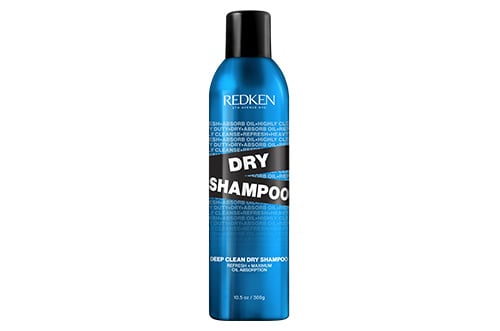
The formula that consistently comes up when people talk about real between-wash performance — not just one morning, but through day three and four — is Redken's Deep Clean Dry Shampoo. The formulation centers on rice starch and tapioca starch working together: the rice starch absorbs quickly and finely, the tapioca keeps the finish lightweight without buildup. What sets it apart from most of the field is the addition of Vitamin C and Panthenol. The Panthenol is the detail that matters most in day-to-day use — it holds moisture at the scalp level while the starches pull away the oil, so you're not left with that tight, stripped feeling that comes from overusing lesser formulas.
There's also a cooling sensation on application that registers as genuinely clean — not a fragrance trick, just a sensory signal that something real is happening. No talc, no sulfates, no silicones. On dark hair, there's no grayish cast or dusty effect. The spray disperses evenly, so there's no white spotting from close application. It delivers what the name promises: deep clean, not just surface-masked.
If you've written off dry shampoo because older formulas left your hair gritty, stiff, or visibly chalky, the category has improved significantly. This one is worth trying again.
How to Build a Between-Wash Routine That Actually Works
The sequence matters as much as the products. The most common mistake is applying dry shampoo to hair that's already fully oily and trying to blast it back to clean in one heavy pass. For better results, apply it proactively — as soon as you notice the roots getting heavier, or even before bed the night after washing. The absorbent starches work far more efficiently on fresh sebum than on oil that's been sitting and accumulating for hours.
Step one: section your hair at the roots and hold the can 6–8 inches away. Spray in short bursts across the root zone, not a concentrated stream. Let it sit for 60–90 seconds — this is the step most people rush. The starch needs time to absorb before you work it through; brushing immediately just moves it around without activating it. After the wait, flip your head forward, massage the roots with your fingertips, then brush through from root to ends with a natural-bristle brush. Natural bristle distributes product evenly and adds a surface polish that synthetic bristles don't.
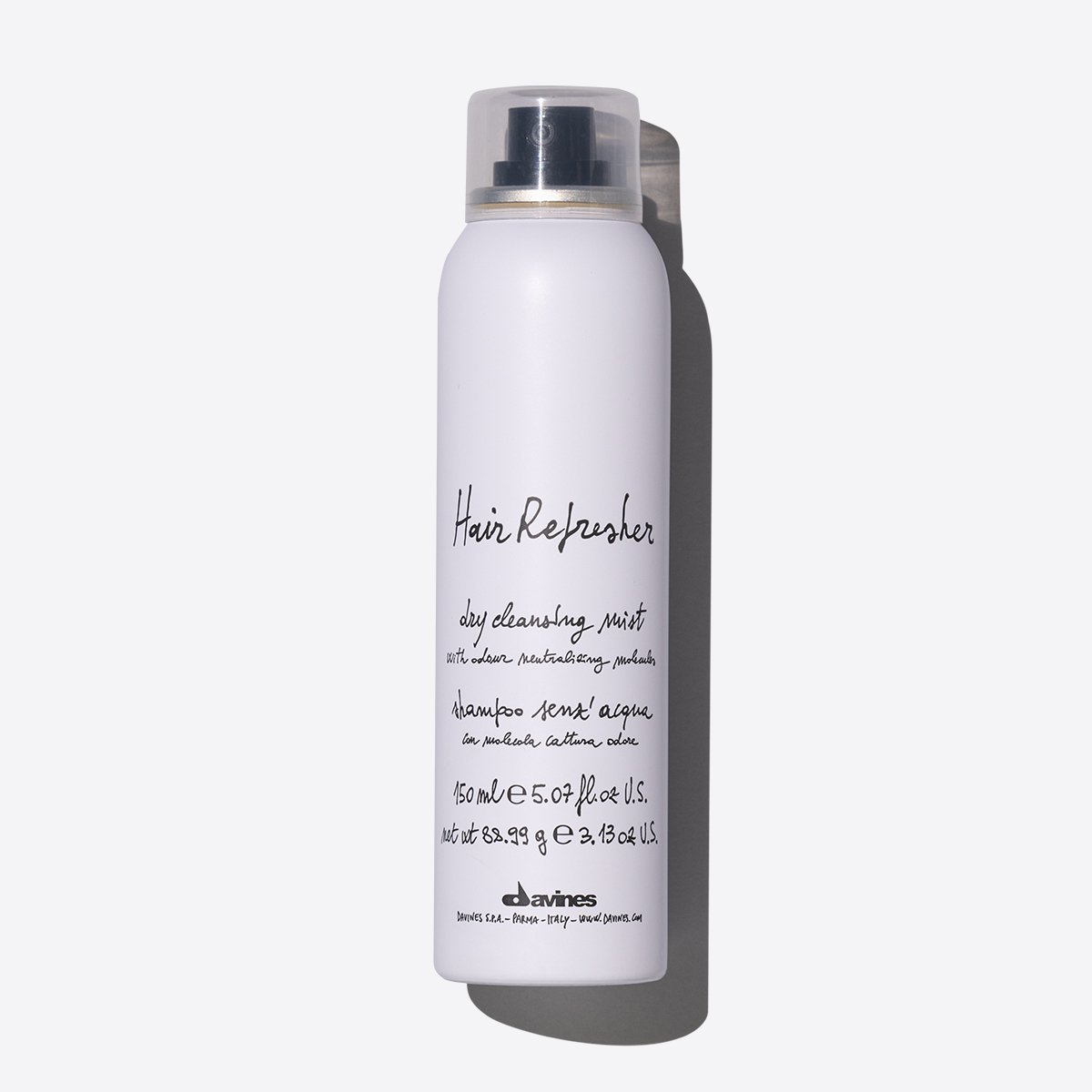
Step two is where a targeted hair mist earns its place — doing something the dry shampoo can't. Once the roots are handled, the rest of the hair often needs refreshing too: mid-length frizz, any stiffness left from yesterday's styling, and the subtle odor that builds up over a day or two of scalp activity. The Davines Hair Refresher is a lightweight misting spray built on rice starch and silica for a touch of absorbency and texture, but what sets it apart is the fragrance approach: the light, citrusy scent works alongside natural molecules that capture and neutralize scalp odor rather than just covering it with perfume. It leaves hair cleansed, hydrated, and with actual body — not just the appearance of it.
What Most People Get Wrong About Second-Day Hair
The biggest mistake is treating dry shampoo as a substitute for washing rather than a tool for extending a good wash cycle. There's a real difference between using it to stretch a great blowout by two days and relying on it to avoid washing for most of the week. Dermatologists flag this consistently: using dry shampoo more than two consecutive days without washing can lead to buildup at the follicle level — starch, sebum, and dead skin cells accumulate together, which can block follicles, cause scalp irritation, and in susceptible scalps lead to folliculitis, a bacterial or fungal infection of the hair follicle. For most scalp types, two dry shampoo days between washes is a good limit; three if your scalp runs naturally dry. Using a clarifying shampoo once a week also helps clear any residual buildup before it compounds.
Second mistake: too close, too much. Holding the can 6–8 inches from the scalp and using short, even bursts gives clean, even coverage. Close application creates concentrated white spots that take forever to work through. Less is almost always more — you can do a second light pass if needed, but you can't un-cake a section once it's been over-applied.
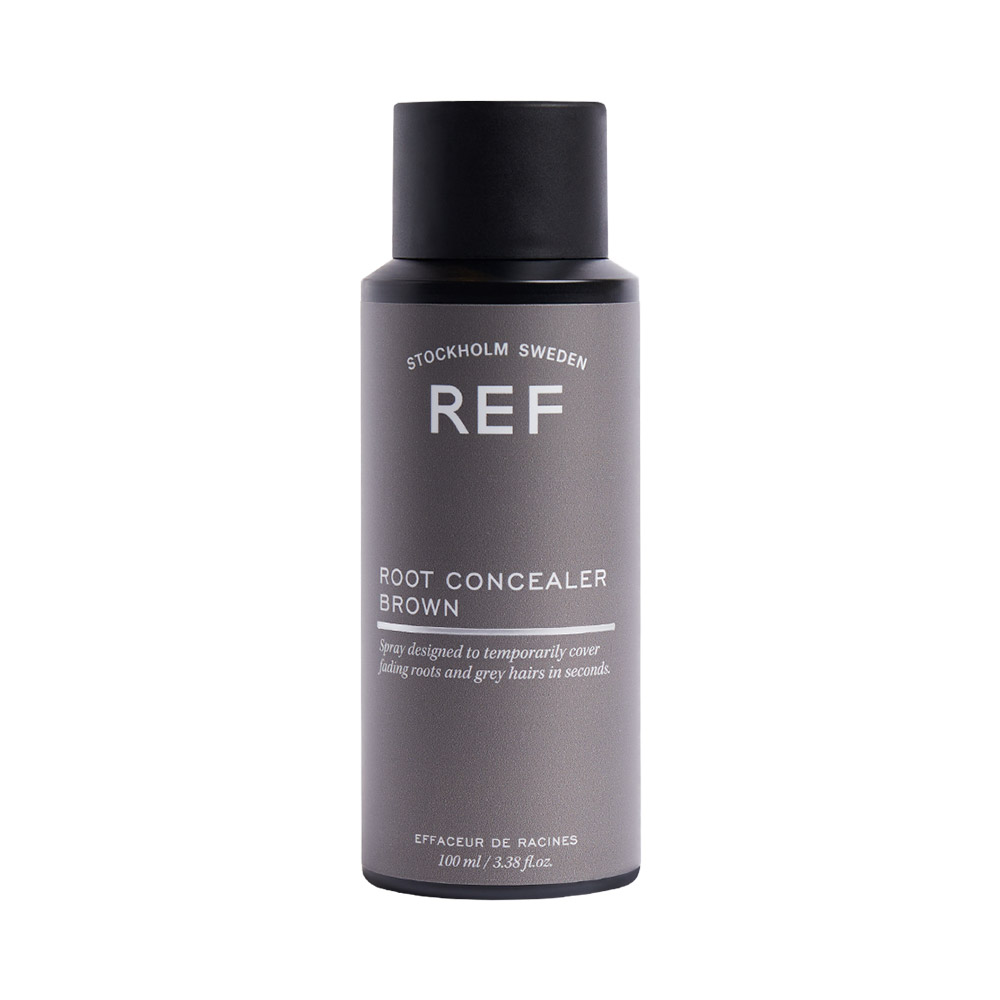
Third mistake: forgetting that the root line is often what makes second-day hair read as tired, not the oil. After a day or two, even well-maintained color starts to show at the part line and temples — either from regrowth or just from the way light hits roots versus lengths differently. People do a full dry shampoo refresh, get the volume and texture back, but still feel like the hair looks off. The issue isn't oil — it's visible roots, and dry shampoo doesn't address that. The REF Root Concealer in Brown is a fast fix: a pigmented spray that covers regrowth and gray roots instantly, blends naturally, and washes out completely at the next shampoo. Spray lightly along the part and at the temples, comb through once, and the second-day hair reads as intentional.
The Bottom Line
Second-day hair isn't something to get through — it's something to get good at. When you have the right products and a clear sequence, extending your wash cycle by one or two days means your color lasts longer between appointments, your scalp finds its natural balance over time, your hair holds styles better with a day of oils behind it, and you spend a lot fewer mornings starting completely over.
The routine is three steps: absorb the oil at the roots with a dry shampoo that leaves no residue and doesn't strip the scalp, mist through the lengths for freshness and body, and address the root line if visible growth is making the hair read as tired. All three steps together take about three minutes.
Wash days will still come. They just don't have to come every morning.
